
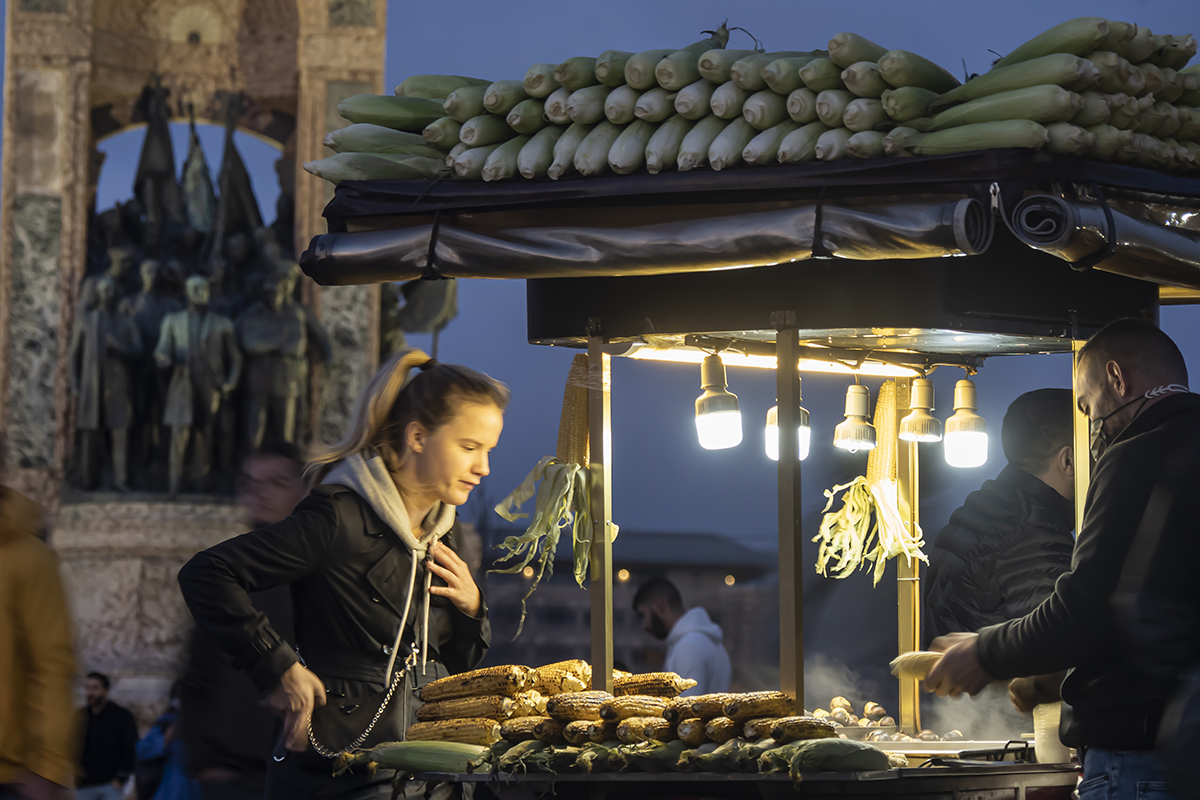
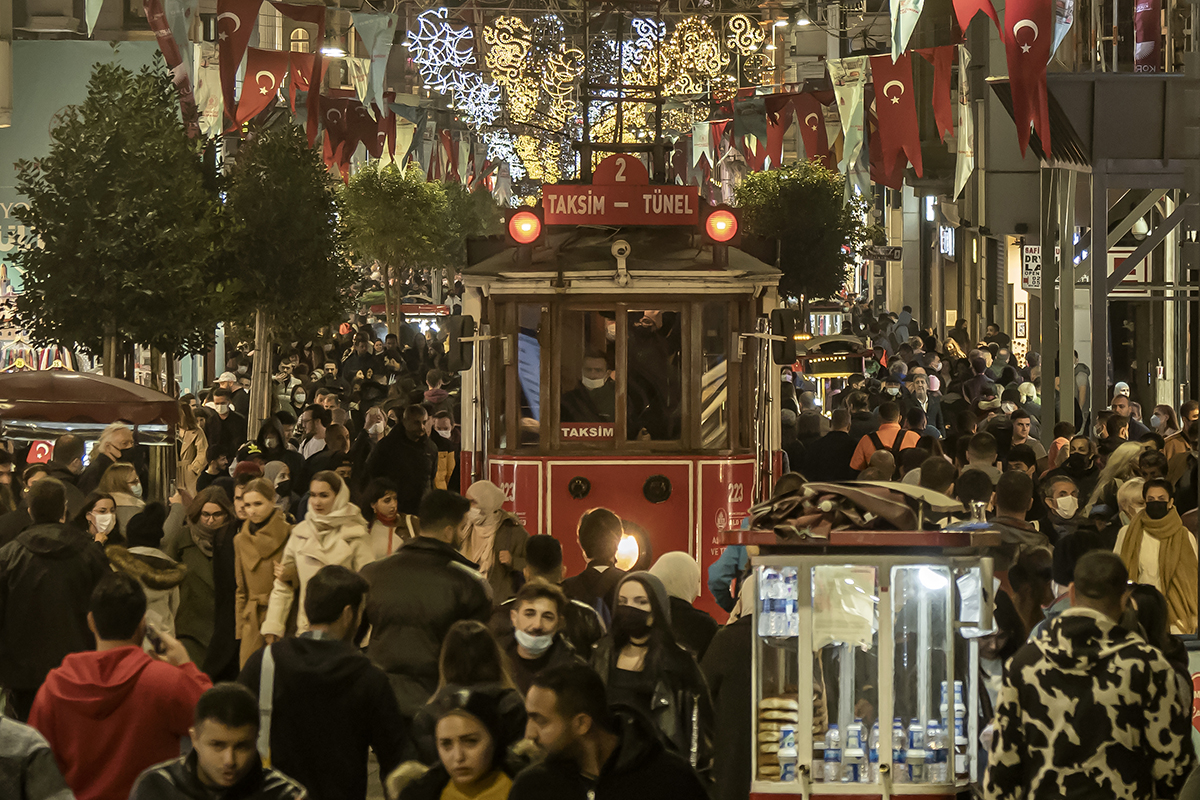
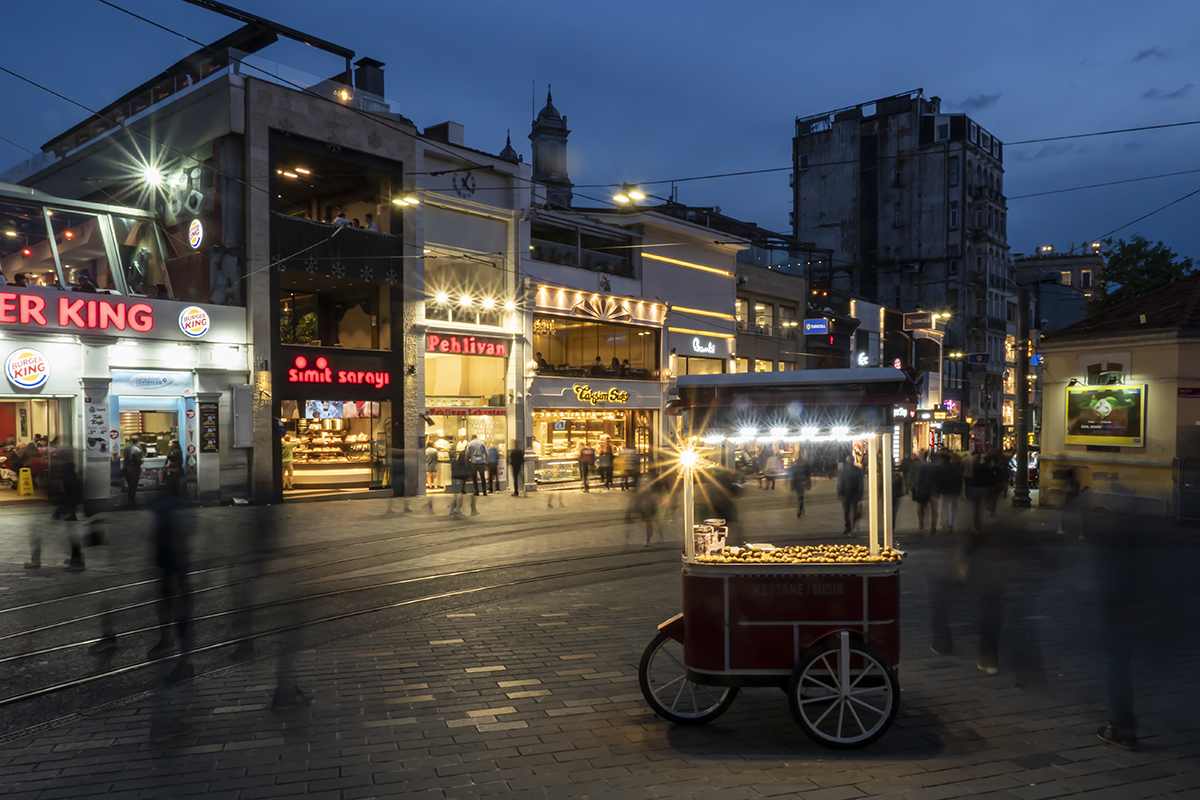
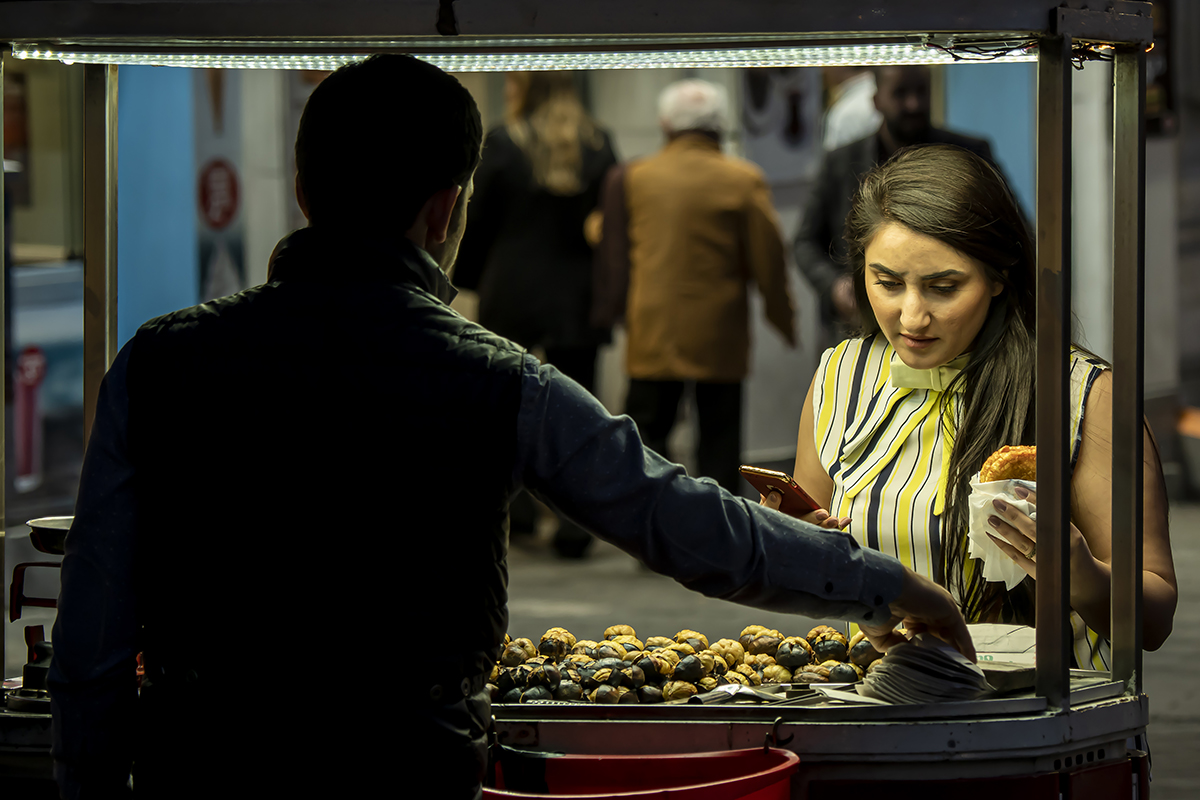
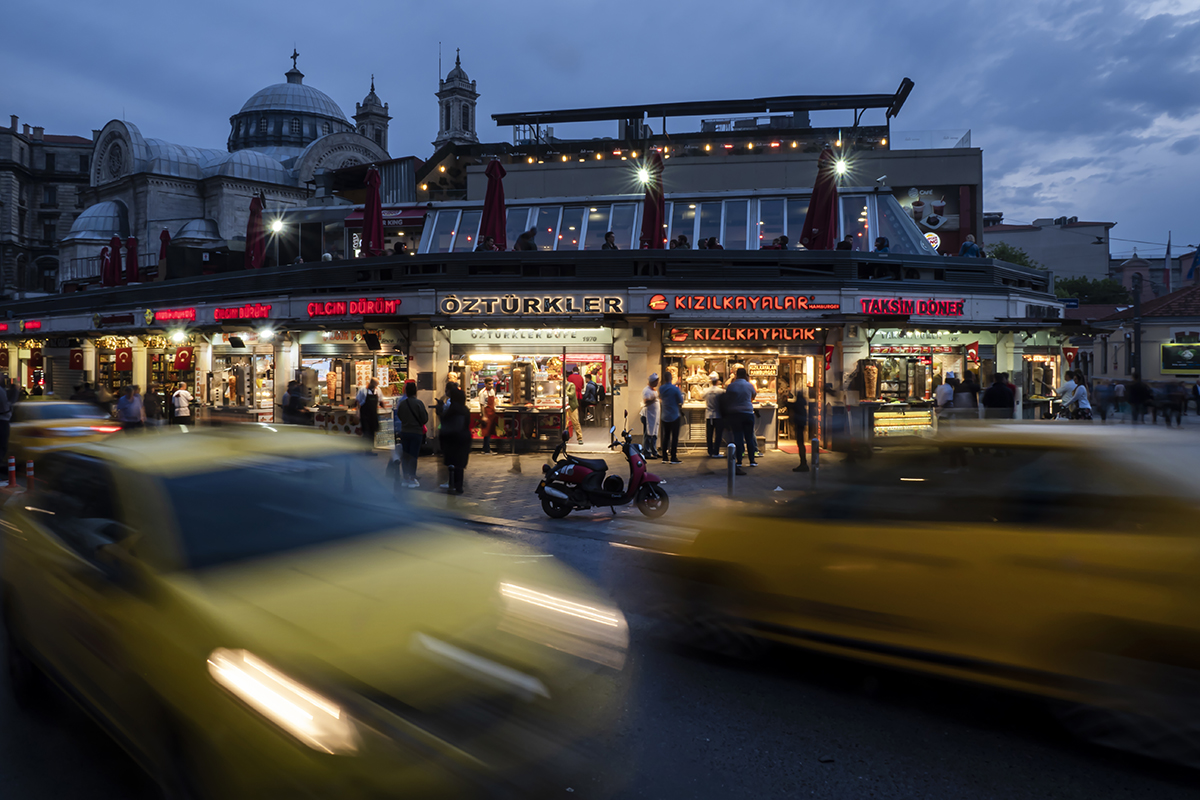
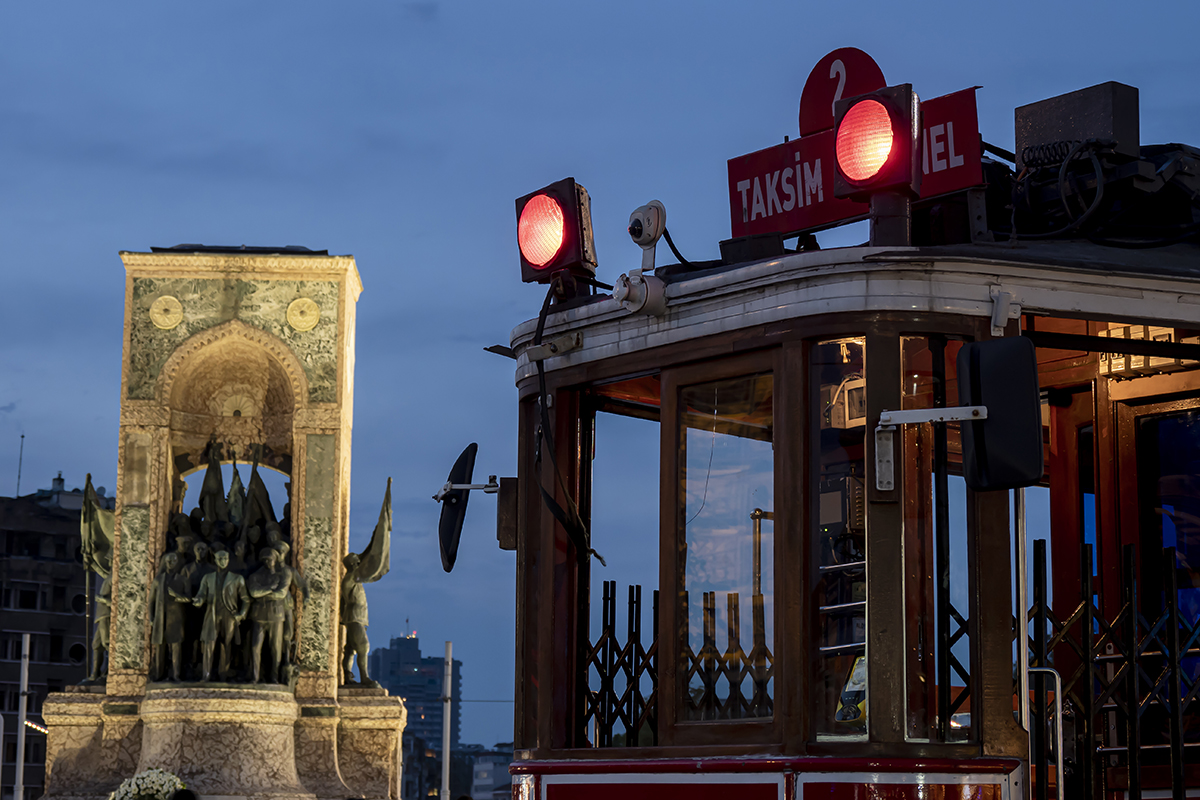
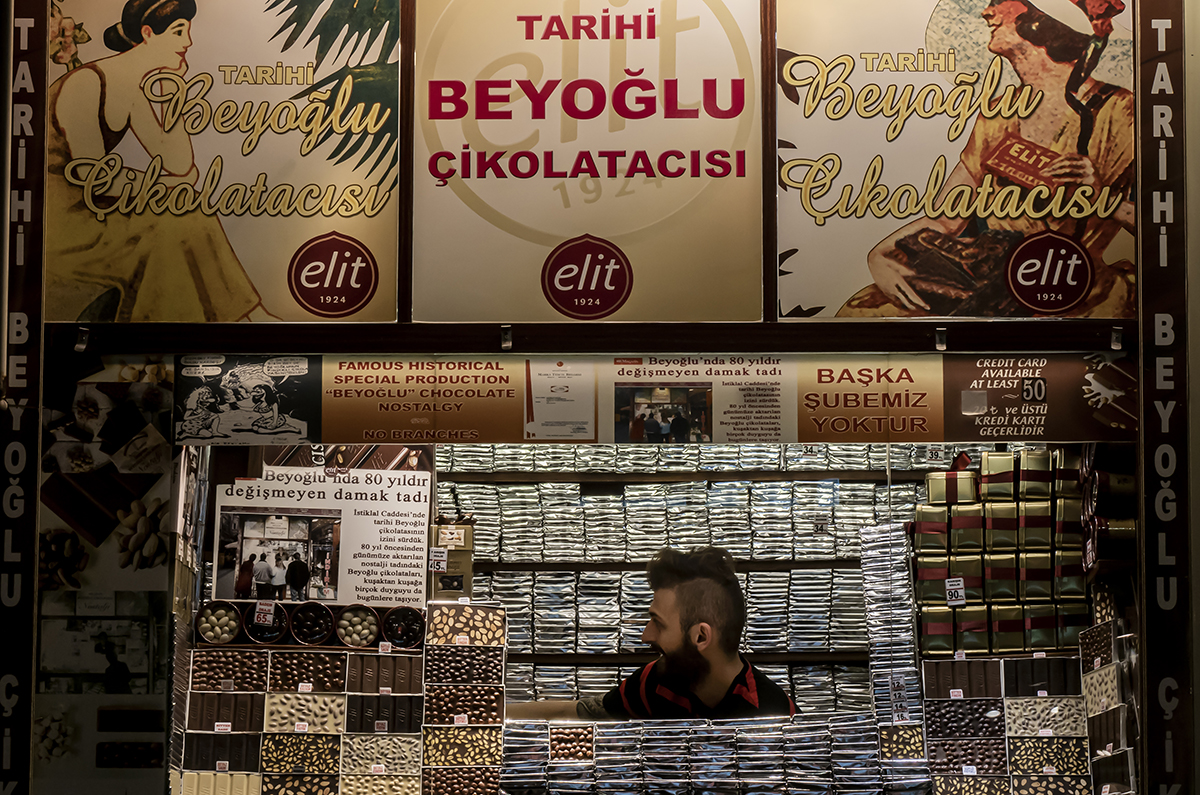
Street Photography is to photograph the fast flowing life, and people chasing it, with bonafide intentions.
The street is the symbol and representative of life. The street reflects these symbols and representatives. Street Photography also transfers these reflections to society.
Street Photography is to photograph the fast flowing life, and people chasing it, with bonafide intentions.
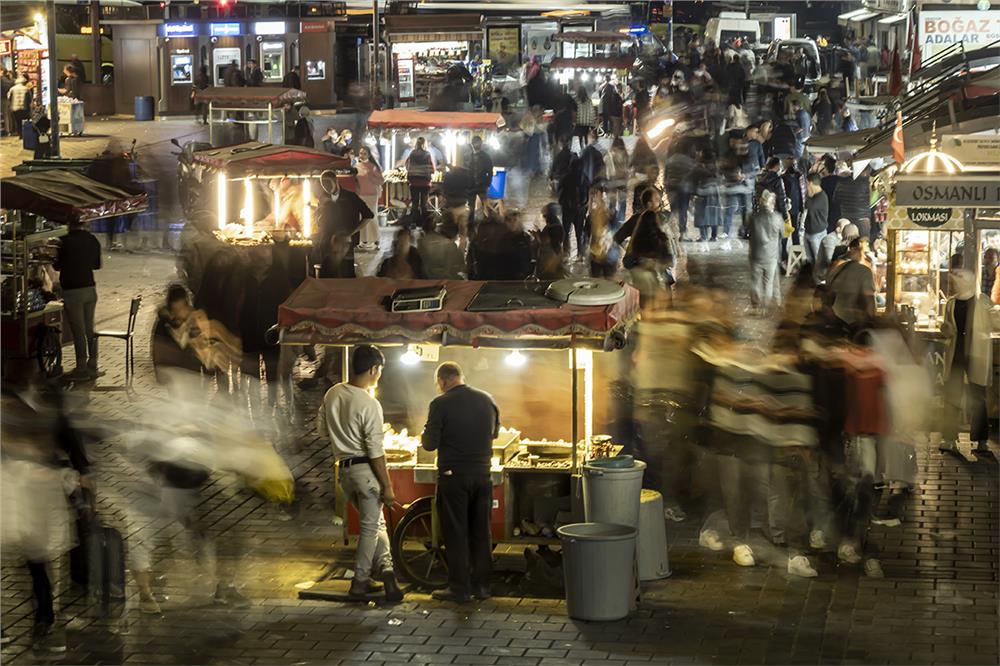
Street is the symbol and representative of life. The street reflects these symbols and representatives. Street Photography also transfers these reflections to the society.
Street Photography is actually much broader.
What distinguishes street photography from landscape photography is that the quality and clarity of the frame is not very important.
Since there is clarity as well as blur in life, ‘the moment’ for Street Photography is meaningful in any form.
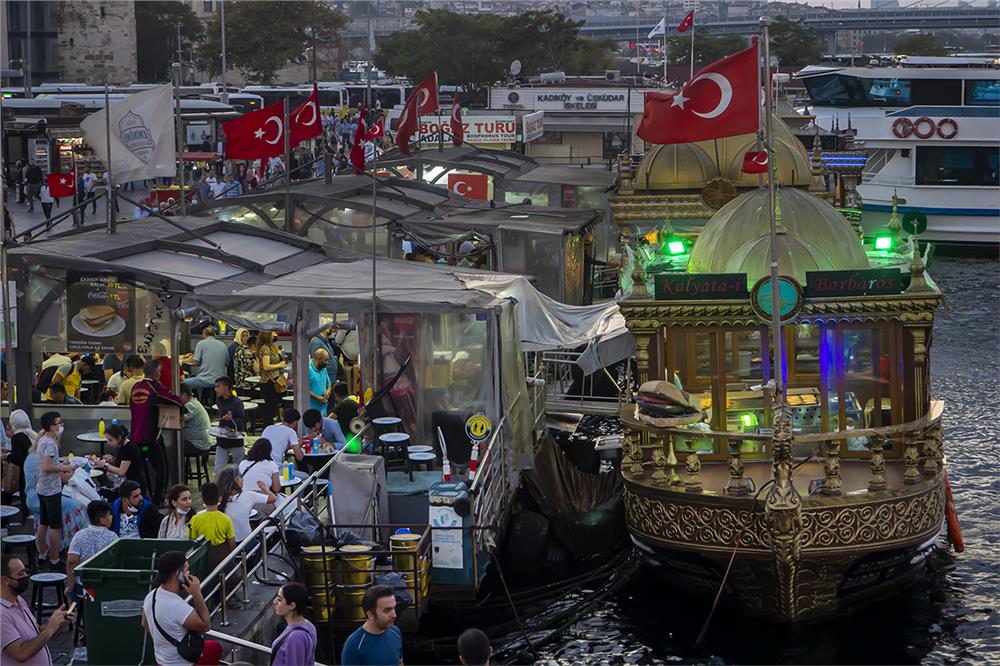
Like life, Street Photography is a whole with its pros and cons.
Although it is desired to increase technical capacity, technically faulty examples of Street Photography can sometimes be much more meaningful and effective.
Street Photography is generally an unauthorised, spontaneous activity.
Some people may not like being photographed for various reasons, while others may enjoy it.
In order to be successful in this spontaneous work, it is necessary to learn to overcome the anxiety of disturbing the people.
Beginner street photographers should overcome the obstacle of ‘if the person I photograph sees me, might get angry, upset and might react harshly’.
In fact, when Street Photography is done according to the rules, people will not notice you.
Tell those who notice and ask you that you are a professional photographer and photographer artist in a confident and comfortable way.
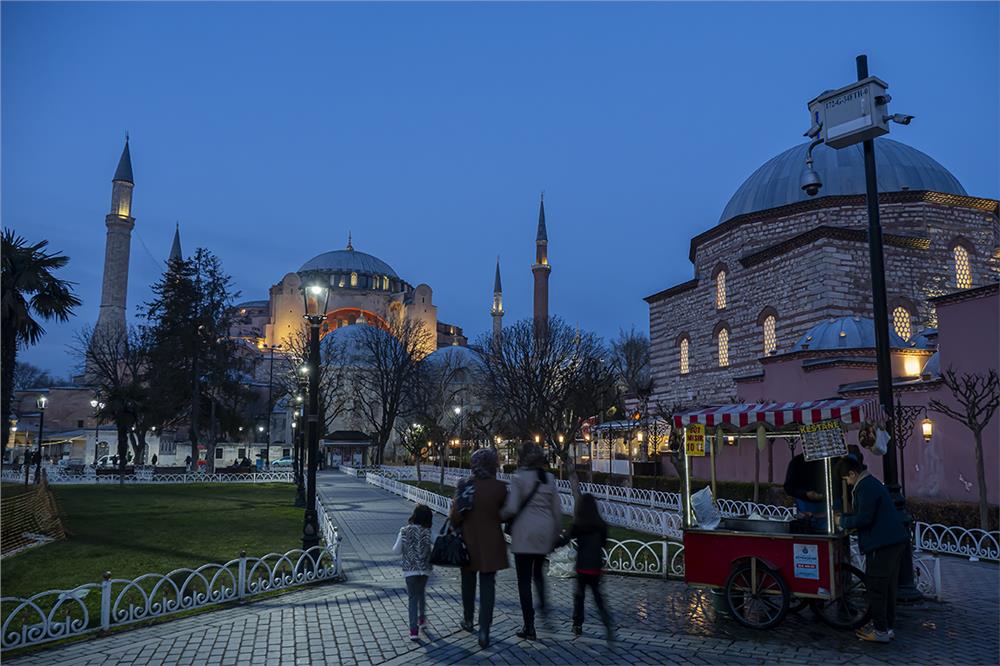
Explain that you are working within the scope of human, society and culture project.
If you feel that they are uneasy, state with a smiling face that you are working in good faith and that you do not intend to cause any disturbance.
If necessary, show the work you have taken. Tell them that you can delete it if they don't want it. But underline that the work is very valuable and successful.
Photography, which rises on human love and whose content is art, should not be a source of strife.
Your secret and mysterious behaviour may be the beginning of the problem. It is useful to be comfortable and transparent.
In order to overcome this moral concern of street photography, getting permission when possible will perhaps solve all the problems. But due to the nature of the work, this may often not be possible.
Street Photography is fundamentally rooted in the love of people.
It is based on the dynamics of valuing people, being curious, analysing their culture and sharing the good results obtained. It prioritises people and culture.
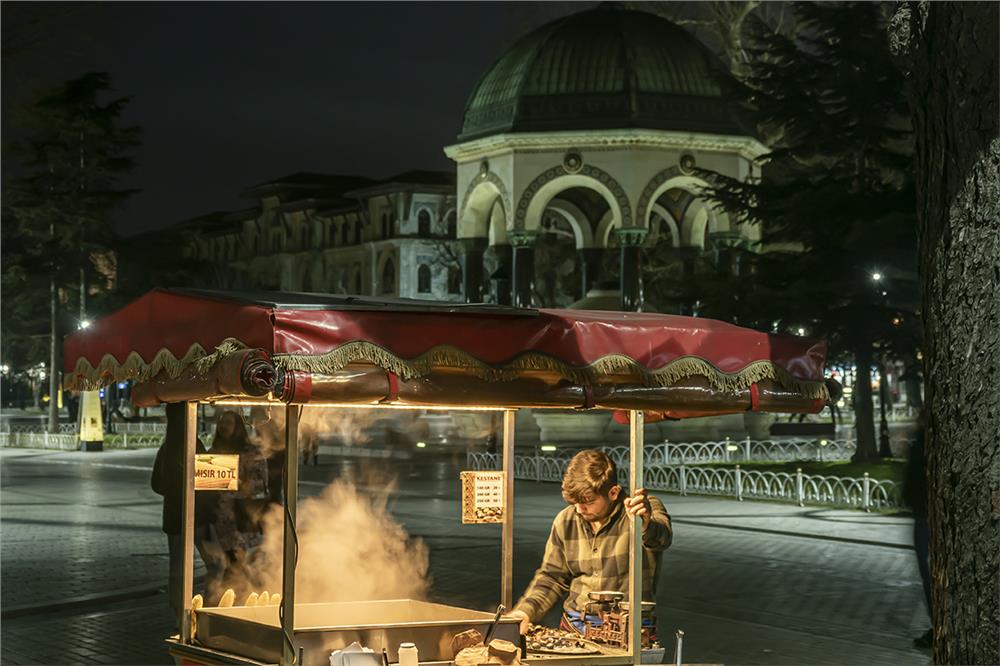
Photography is a means of recording what we see, transferring it to the future, making a note in history and carrying fun moments to eternity.
For this reason, Street Photography works carry a contemporary and historical stamp.
To start with, gaining experience in crowded places will bring you confidence in yourself, you will feel much more comfortable by working more comfortably.
1. Find a place where you can work comfortably without attracting attention.
Instead of shooting while walking, wait for the opportunities that will come where you find for the Street photo you want.
2. Do not leave the camera when you take the photo
Do not drop your arm and the camera when you take a photo. Keep the camera in the same position until the person you are shooting leaves.
Let people think that you are shooting in the general area instead of being disturbed by what you are photographing. Be controlled in your behaviour.
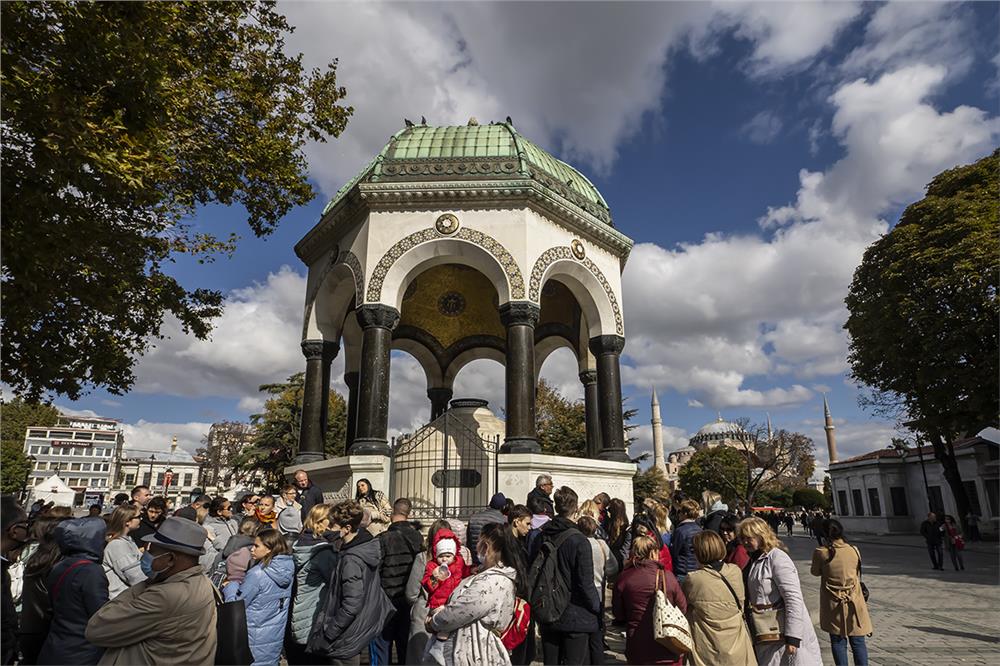
3. Take a Wide Angle Shot
Move without disturbing people, as if you were not around them.
Do not use a zoom lens to avoid attracting attention and pointing the camera at people.
Prefer a wide-angle lens such as 24 mm or 35 mm that does not attract attention and will not disturb people.
4. Get as Close as Possible
Make a difference in the works you will obtain by getting close enough not to disturb and attract attention.
5. Your Camera Should Always Be With You
As someone who does Street Photography, remember that your camera is an organ of yours. It cannot be separate from you.
When you throw the fishing rod into the water for fish, every fish you miss will remain in your memory as the biggest fish you have ever seen in your life. You will always remember it with regret.
Imagine you're in a place like Alaska. You have to hunt to live. You work for maybe 40 days in places with cold days of -30 degrees Celsius and constant snowfall.
You are always waiting in the cold and snow, you can't find an opportunity. An opportunity arises, and if you are not ready, you will always remember that opportunity with regret.
You never know when the photo opportunity you are looking for will arise. You have to be ready.
6. Don't Care What People Think of You
You're doing what you love. Don't waste time thinking about what people passing by are thinking. This prevents you from seizing opportunities and the moment.
Focus on your work and your subject.
People each have their own jobs and problems. Why should they care about you? The world does not revolve around you.
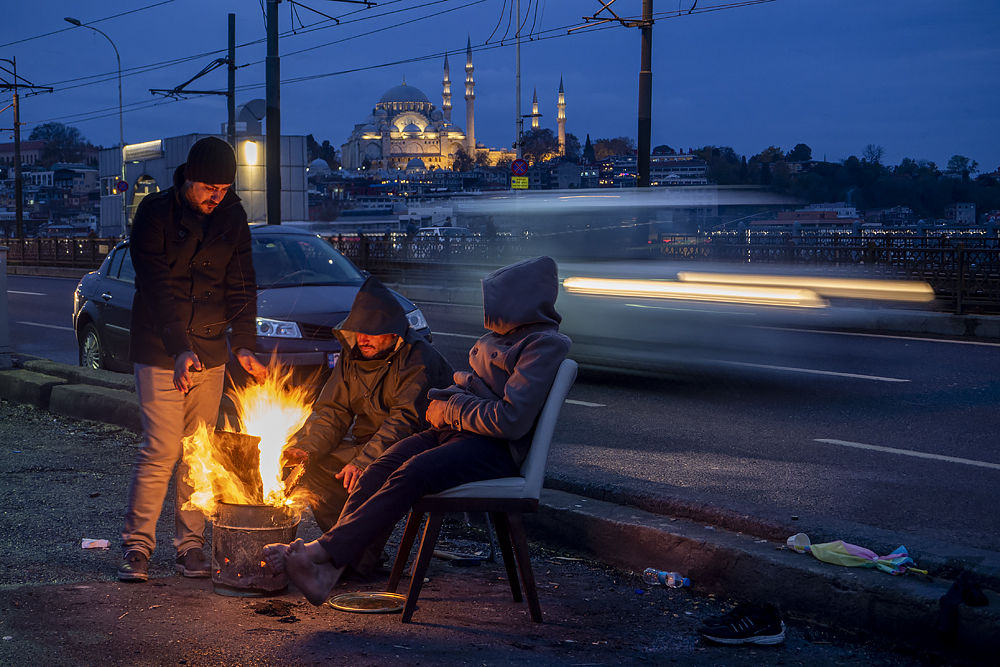
Don't feel like you are the centre of the world. People don't even care about you. Focus on your work, make your shot!
7. Don't Look Tense, Smile
Nervousness and smiling are contagious. If you look tense, you will make other people tense too. They will be uneasy.
Smile and you will relax yourself and the people around you.
You are not stealing. You're just taking pictures. Realise that. Smiling gives confidence. This increases your efficiency.
8. Get permission if necessary
Always be sincere in what you do. It is not always possible to get permission. But if there is a beautiful subject, a great composition, ask for permission if necessary to be comfortable and work efficiently.
9. Make Love and Respect Your Style
Use respect as light when taking street and human photos that you start with love and respect.
You must have a purpose for street photography. You should support this purpose with love and respect.
10. Bring Helpers with the Main Character
Street photography reflects the beauty of daily life. For this reason, try to add another element to the human element.
Other people, messages, signs, signs, cars, contrasting concepts, interesting signs of emotion add attractiveness to the photo.
11. Tell your purpose with a story
Street photography is based on a purpose. Every street photo is taken for a purpose.
In order for the work you take to give something to people, to stay in their minds, to carry a meaning, it must tell a story.
Add a story to the street photo you take.
12. Just do it
Street photography cannot be done sitting at home, in the office. You need to be on the street for this.
It is necessary to go out and walk on the street, to mix in the crowd with people.
Go out on the streets, shoot continuously. Look for subjects, force yourself to produce.
There is no need to rediscover America. To learn and progress in this business, follow famous street photographers, meet with them and take lessons.
Research the works of the masters, see how they work. Try to grasp and understand the subtleties and details in their works. Contact them when necessary, ask them.
Follow famous street photographers who will enlighten your path and impress you with their works. Note the places where they shoot, work in similar places and locations.
Read their written works on street photography, watch their videos, listen to their audio narrations and take notes.
Pay special attention to artist street photographers, watch them carefully.
Remember that the photographs taken by street photographers with artist qualities will initially look different to you.
Analyse how they do it, what they do, where they do it and what they want to tell.
Know that these things will be difficult at the beginning, but never give up.
In fact, street photography can be done with DSLR, mirrorless and point-and-shoot cameras, including smartphones.
Don't ignore the fact that the equipment you have can give you some advantages and disadvantages.
A zoom lens can allow you to capture more obvious opportunities at different distances. But it is heavier, more conspicuous and bulkier.
A fixed lens will limit you to a single focal length, but it will also be light, free and fun to use.
The lightweight camera and lens are easy and enjoyable to work with.
Use 50mm for natural perspective situations and locations. For experiencing the flow, crowds and chaos of the street, opt for the wider view 35mm lens.
For a different, unique, wide angle and adventurous approach, we recommend a 28mm lens.
For Street Photography, prime ones are the best type of lens.
The 50 mm lens is very versatile. It allows you to get close to the subject and not stand out in the crowd on the street.
A 35mm lens widens your field of view and enriches the result of a single shot.
For Street Photography, a telephoto lens is more of a problem than a benefit. It is very difficult to store, carry and use.
Because it is big and large, you cannot hide it while shooting.
Because it is heavy, the lens, which is light at the beginning, gets heavier and heavier. Sometimes you get tired of carrying it.
Since it is expensive, ensuring its safety is also a problem. Your mind can always stay on it, which affects your performance.
It distracts you. You may have trouble focusing.
After a point, you start to perceive it as a burden and lose your freedom of movement.
The length of the lens increases camera shake while increasing shutter speed. This requires much more power, effort and attention for clarity.
Likewise, you will need to increase the ISO and widen the aperture to get a quality exposure in low light environments and situations. Why is this necessary?
As telephoto lenses get larger, the aperture narrows in direct proportion. There may be no need for a wide aperture. But it can also provide benefits such as lens expansion, creating effects, night and indoor shooting without increasing ISO.