
There are places where light doesn't just illuminate—it transforms. Where every cobblestone whispers centuries-old prayers, and where the very air seems to spiral in eternal devotion. Konya is such a place, and your camera knows it before you do.
Where the Whirling Dervishes Dance with Your Lens
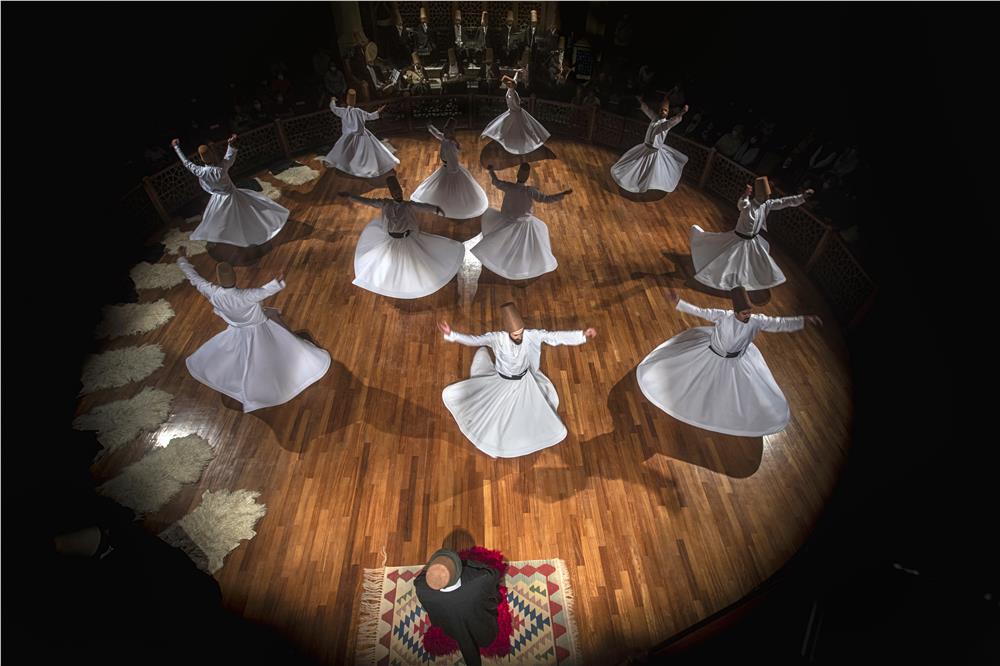
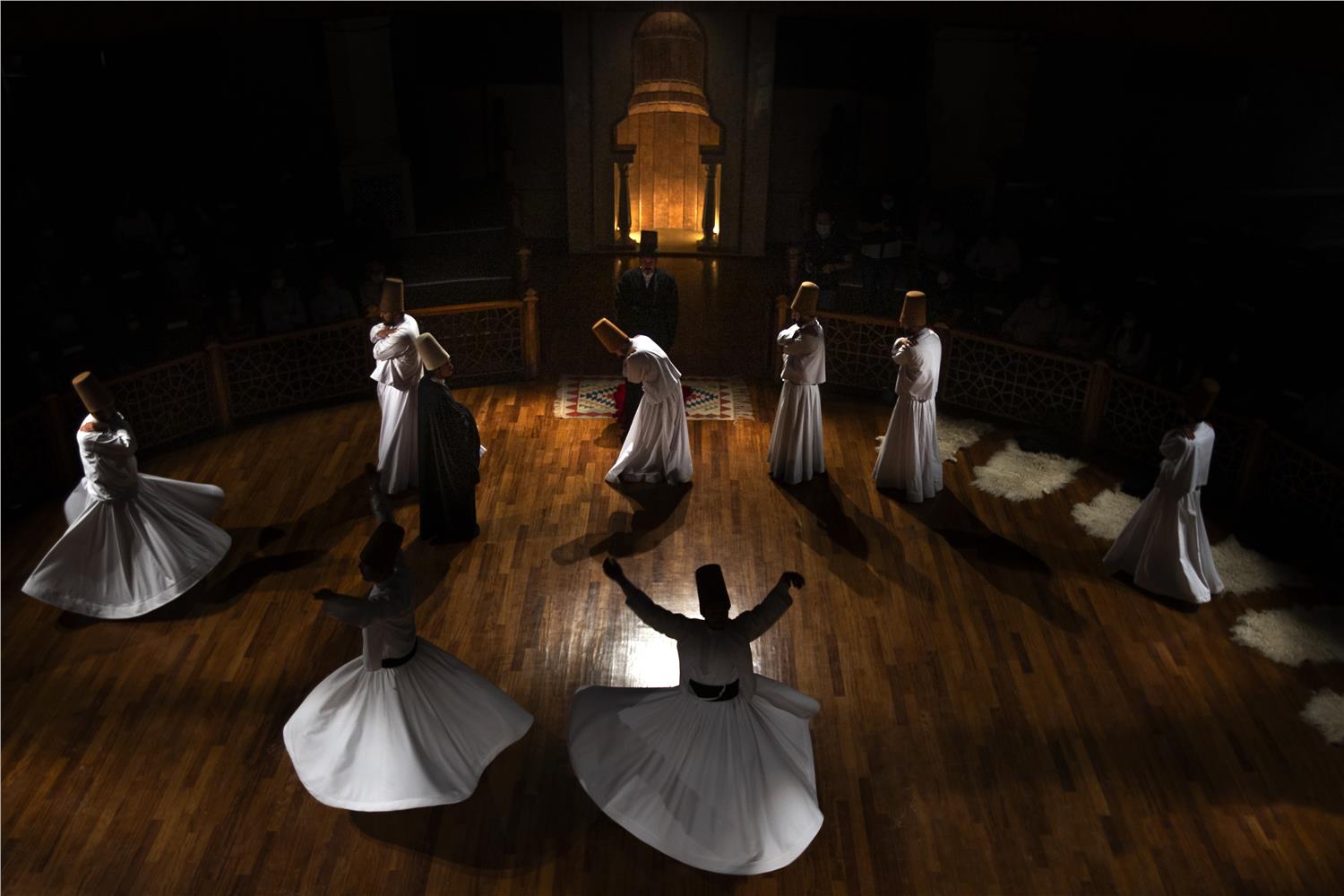
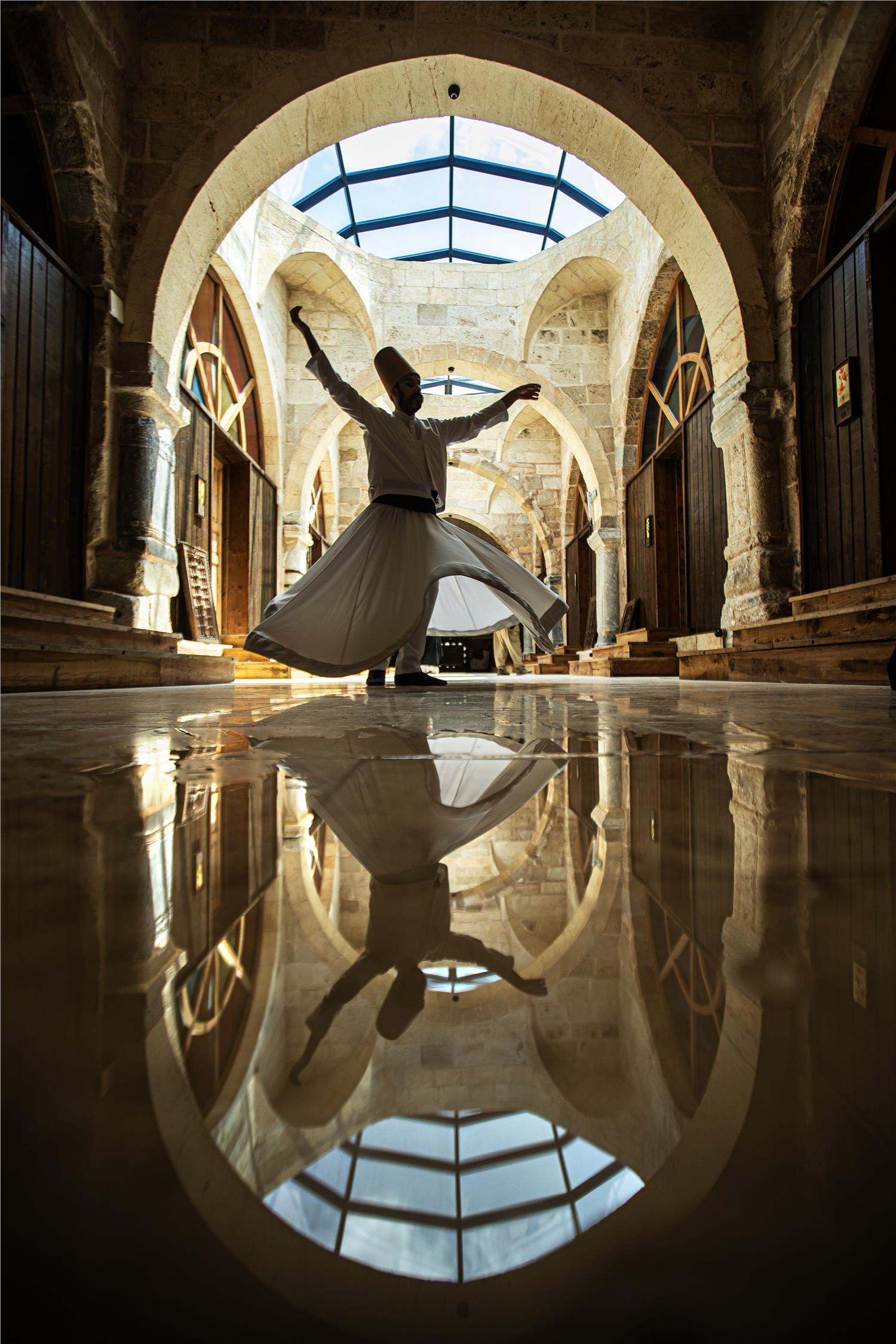
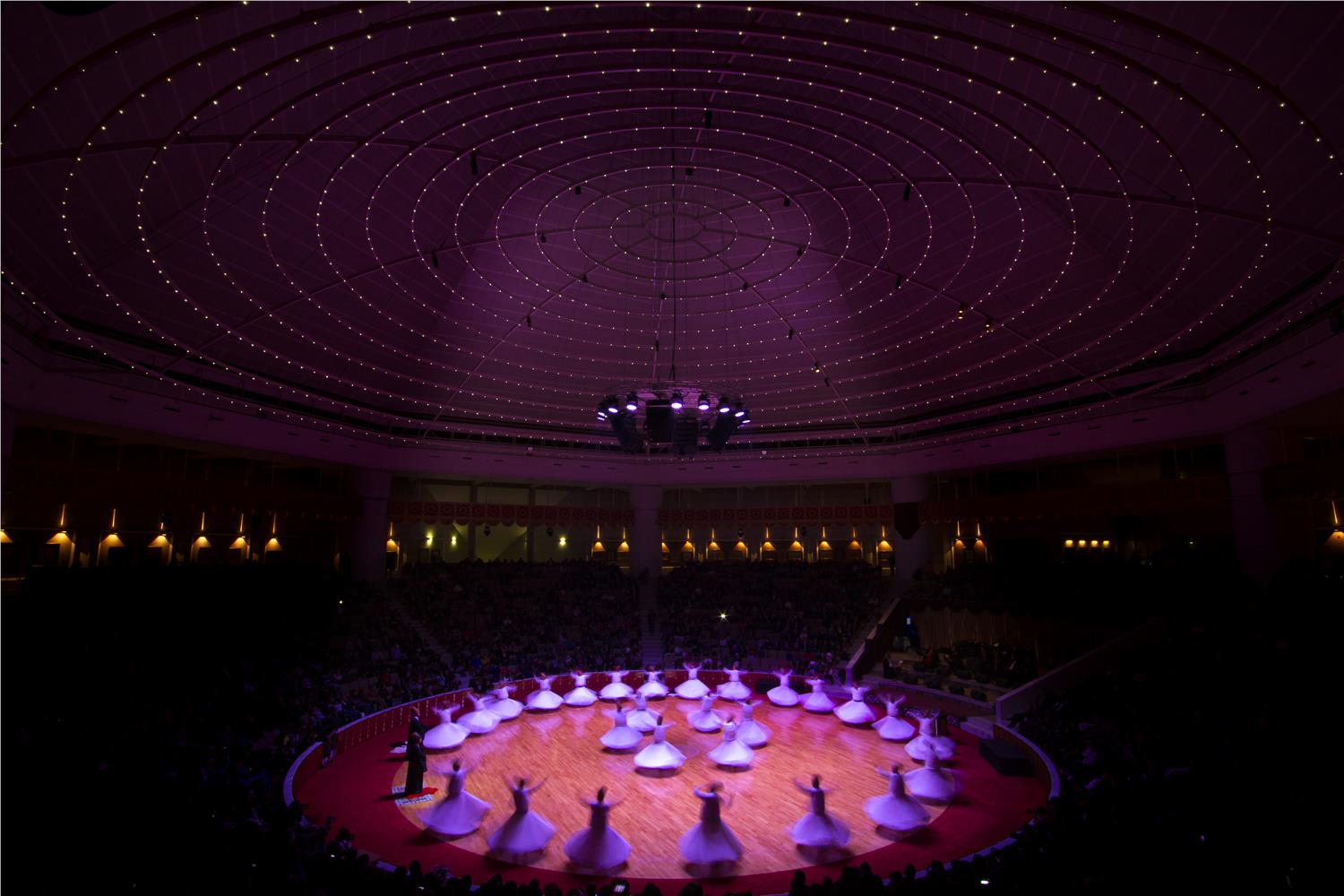
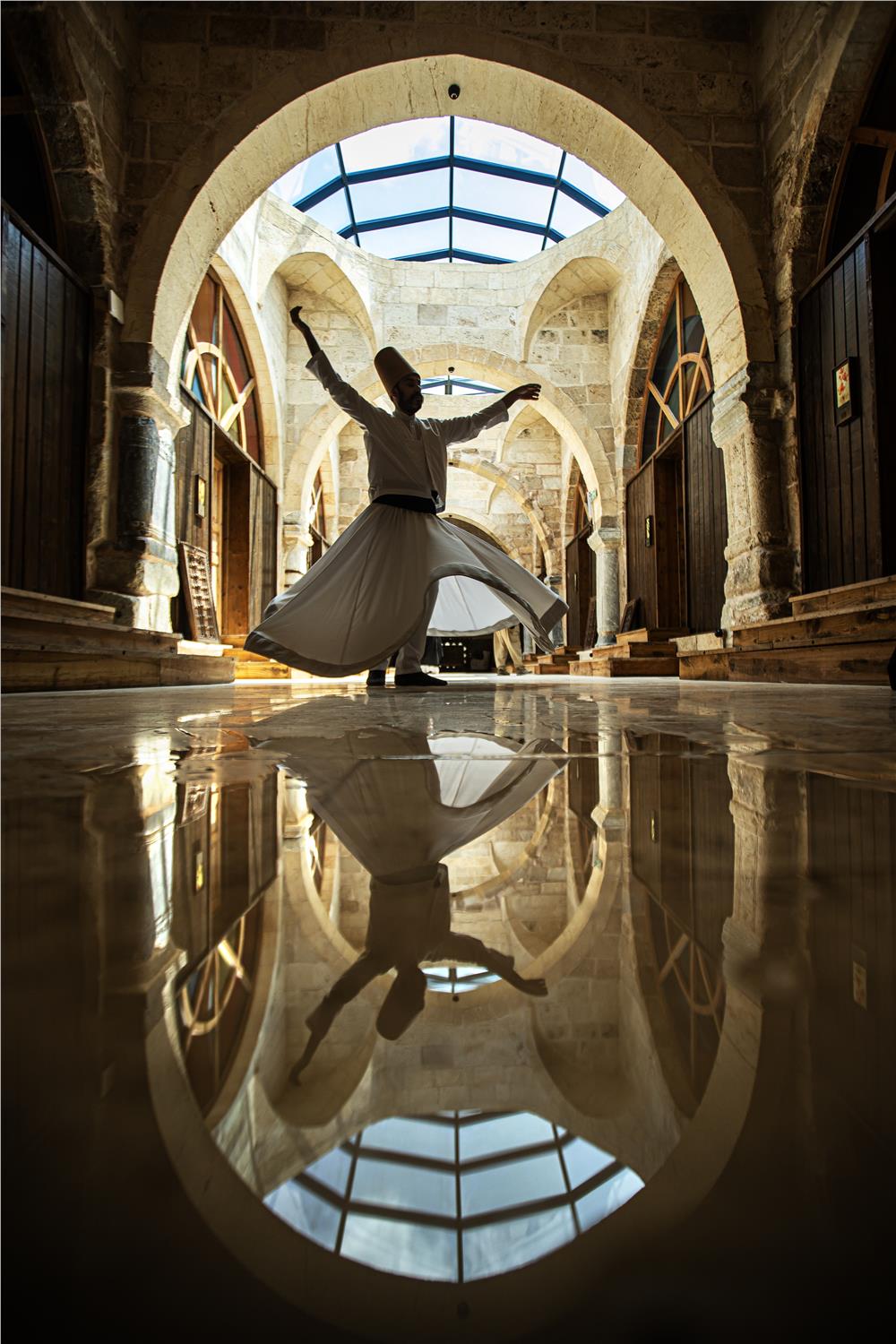
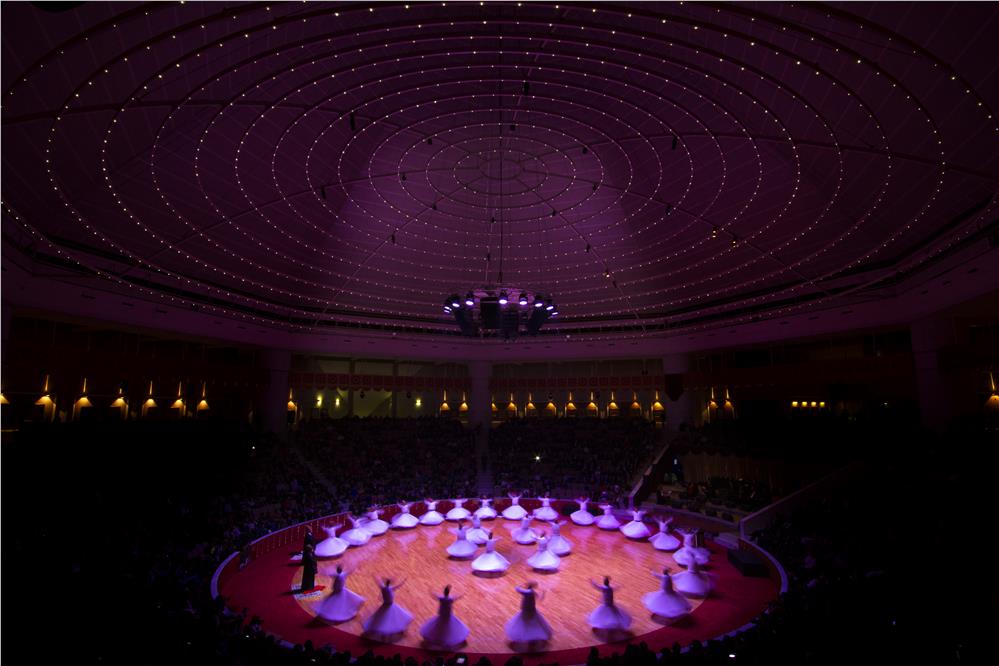
The first time you witness the Sema ceremony through your viewfinder, time collapses. White robes bloom like flowers in slow motion, arms extended—one hand reaching toward heaven, the other toward earth. This isn't just a photograph; it's a meditation captured in 1/250th of a second. The Mevlevi whirling dervishes have been spinning in spiritual ecstasy for over 700 years, and now, their divine rotation becomes your composition.
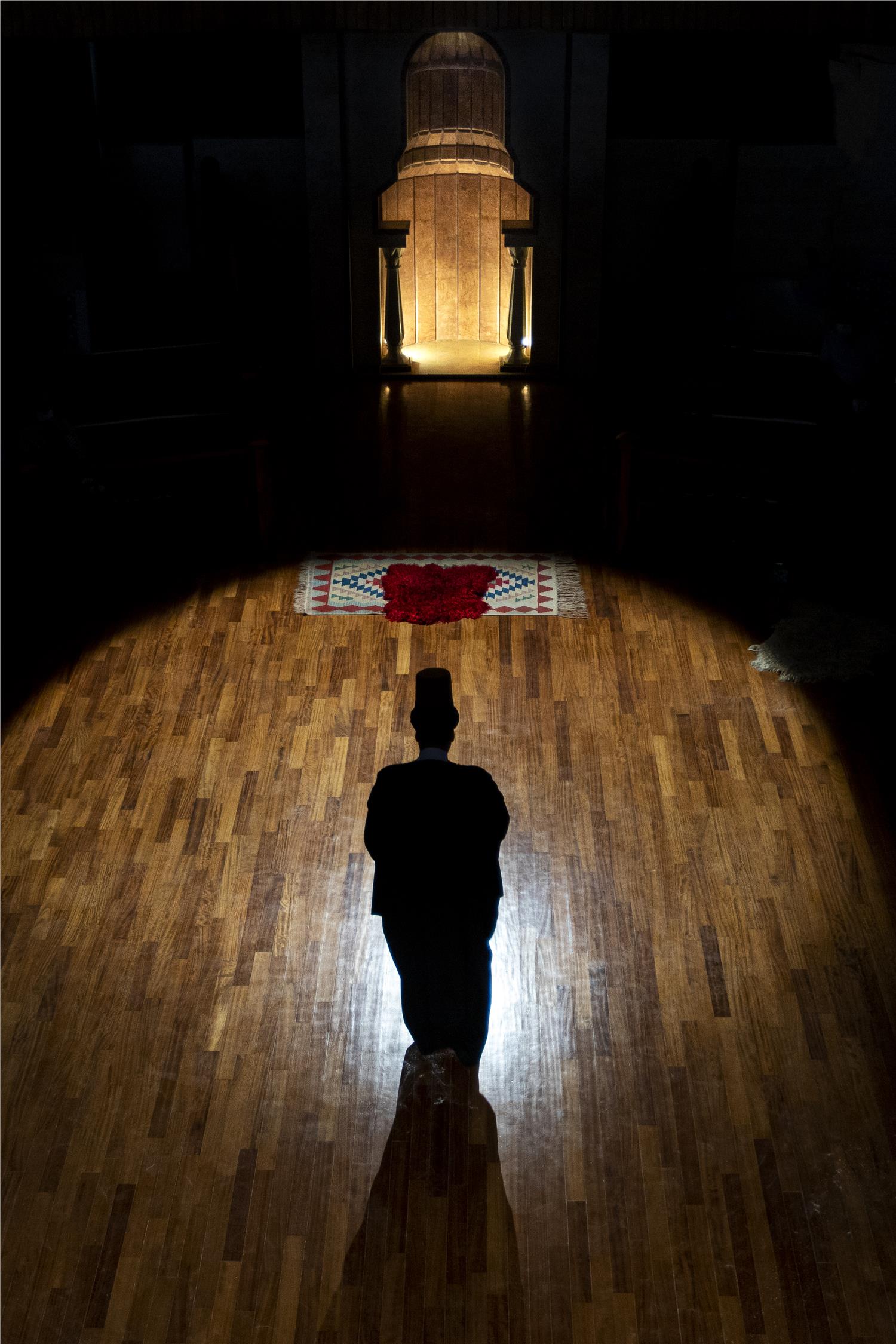
Understanding the Sema is essential to photographing it. Each element carries symbolic weight: the tall brown hat represents the tombstone of the ego, the white skirt symbolizes the ego's shroud. As the dervishes spin, they're not performing—they're praying with their entire being. Your camera becomes a witness to this conversation between the human and the divine.
Our Konya photography tour isn't about checking boxes on a tourist itinerary. It's about understanding why Rumi wrote, "Let yourself be silently drawn by the strange pull of what you really love"—and then capturing that pull in pixels and light. It's about learning to see the way mystics see: with eyes that look beyond surfaces into essences.
The Mevlana Museum: Where Architecture Becomes Prayer
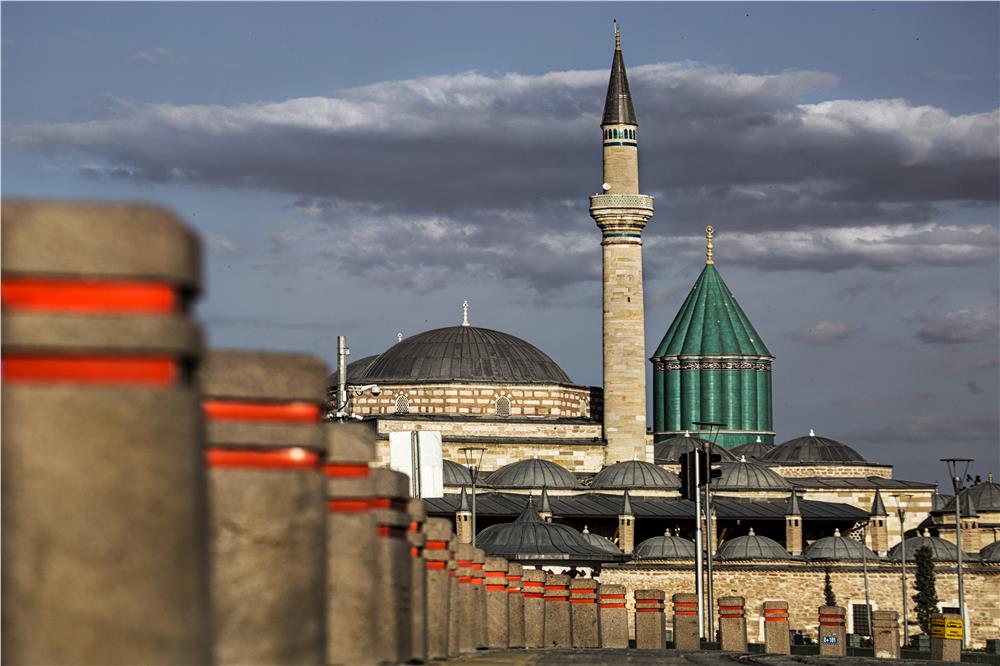
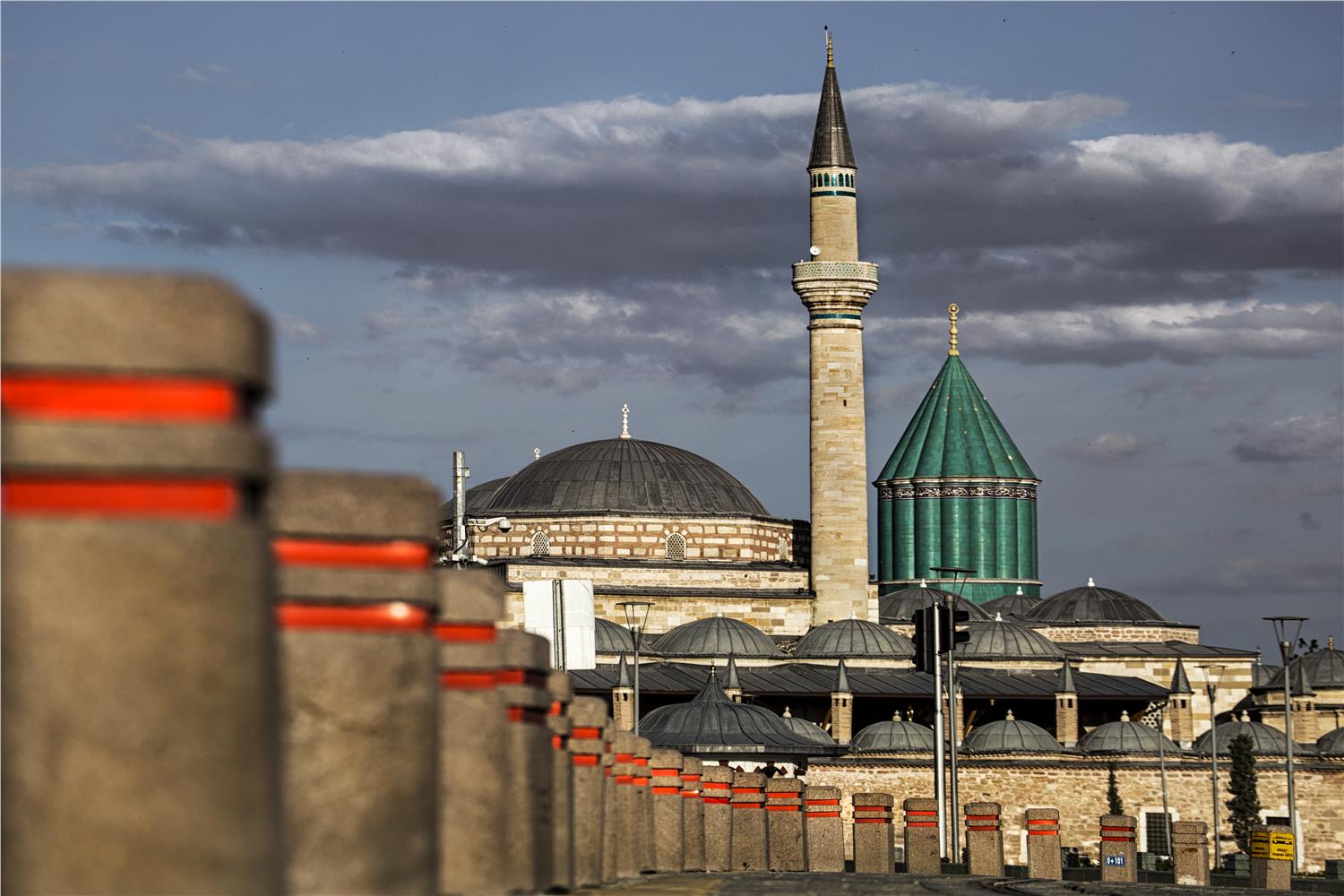
The turquoise-tiled dome of the Mevlana Museum rises against the Anatolian sky like a promise. Inside, your camera will find corridors where mystics walked, manuscripts illuminated by hands that trembled with devotion, and the tomb of Rumi himself—a poet whose words still echo in 800 languages across the world.
But here's what the guidebooks won't tell you: the real magic happens in the details. The geometric patterns on the tiles that repeat infinity, each angle and curve a visual representation of divine order. The way afternoon light filters through stained glass, painting pilgrims in amber and sapphire, creating portraits of devotion without you even asking subjects to pose. The weathered stones worn smooth by millions of faithful footsteps—touch one with your fingers before you photograph it, and you'll understand the connection between photographer and subject that creates truly powerful images.
In the museum's collection, you'll find objects that tell stories: musical instruments used in Sema ceremonies, their wood polished by centuries of devotional melodies. Prayer rugs with threads still holding the shape of knees bent in submission. Calligraphic manuscripts where every letter was written as an act of worship. These aren't mere artifacts—they're frozen moments of human yearning for the infinite, and your photographs can carry that yearning forward into the present.
Konya's Mystical Soul Through Your Camera
This city doesn't reveal itself to hurried visitors. It requires what Sufis call "presence"—the art of being fully here, fully now. Our photography tour is designed around this principle. We rise before dawn to catch the call to prayer echoing across the old city, when the sky transitions from deep indigo to rose gold and the first shopkeepers open their doors with keys that might be older than some countries.
We linger in caravanserais where Silk Road traders once rested, their shadows still imprinted on ancient walls. The Sultanhanı Caravanserai, one of the largest in Anatolia, offers compositional opportunities that contemporary photographers dream about: massive stone arches creating natural frames, light streaming through openings in patterns that change hour by hour, textures that range from rough-hewn rock to delicately carved inscriptions.
We explore the Alaeddin Hill as golden hour transforms ordinary scenes into mystical tableaus. From this vantage point, Konya spreads below like a meditation on time itself—modern buildings stand beside Seljuk monuments, satellite dishes share rooftops with traditional architecture, and in the distance, the Mevlana Museum's green dome anchors it all, a spiritual compass point for the entire city.
The Rhythm of a City in Devotion
Konya operates on rhythms that photographers instinctively understand. There's the five-times-daily rhythm of prayer, which creates natural pauses when the city holds its breath. There's the weekly rhythm that builds toward Friday, when mosques overflow with worshippers and the streets hum with anticipation. There's the seasonal rhythm that culminates in December's Şeb-i Arus festival, commemorating Rumi's "wedding night" with the divine—his death reimagined as a joyous reunion.
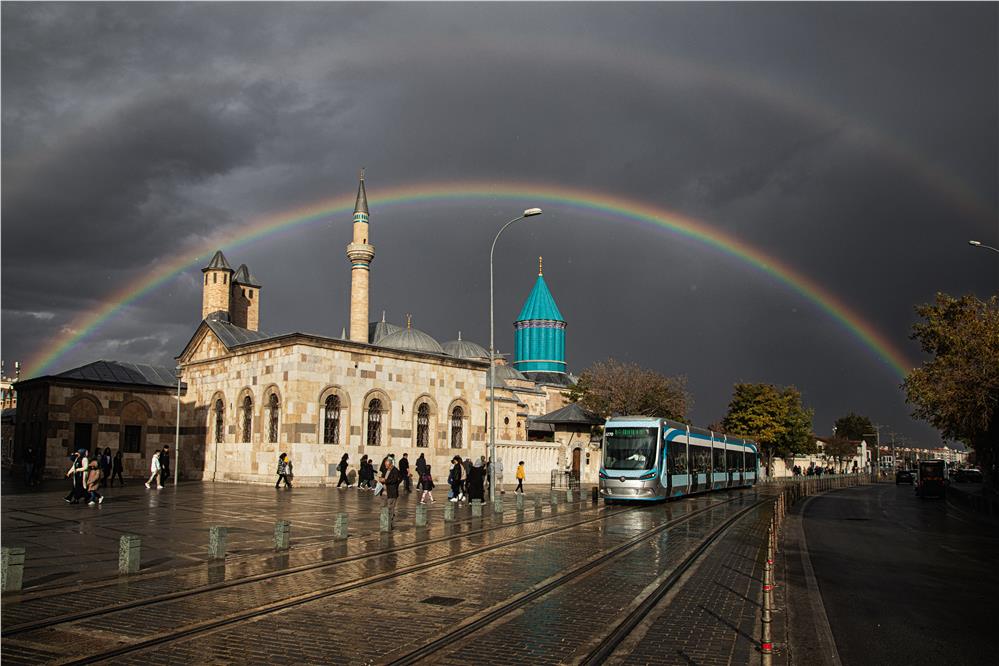
Our tour is timed to align with these rhythms. We photograph morning prayer in neighborhood mosques where locals will smile and nod at your presence, understanding that some visitors come to observe, not just to see. We capture the evening promenade along Mevlana Street, where families stroll, vendors sell simit bread rings, and the setting sun backlights the scene in ways that make every frame look like it belongs in a gallery.
Beyşehir Lake: The Infinite Mirror
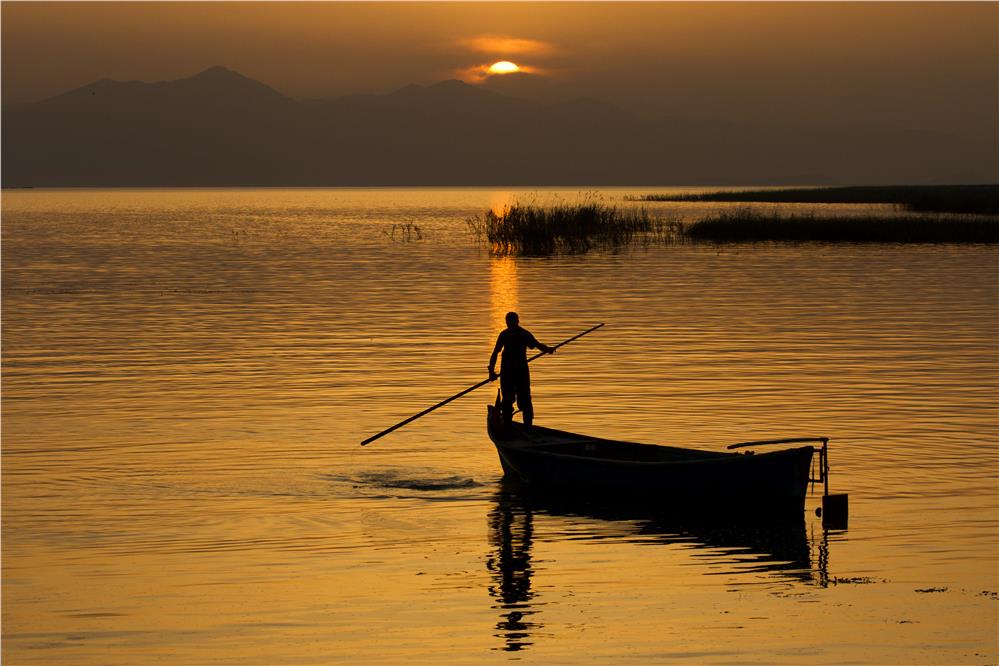
Just when you think you understand Konya's palette of stone and earth, we take you west to where the steppe meets the water. Beyşehir Lake isn't merely a body of water; it is a liquid mirror reflecting the moods of the Anatolian sky, offering a photographic tranquility that contrasts perfectly with the city's vibrant energy.
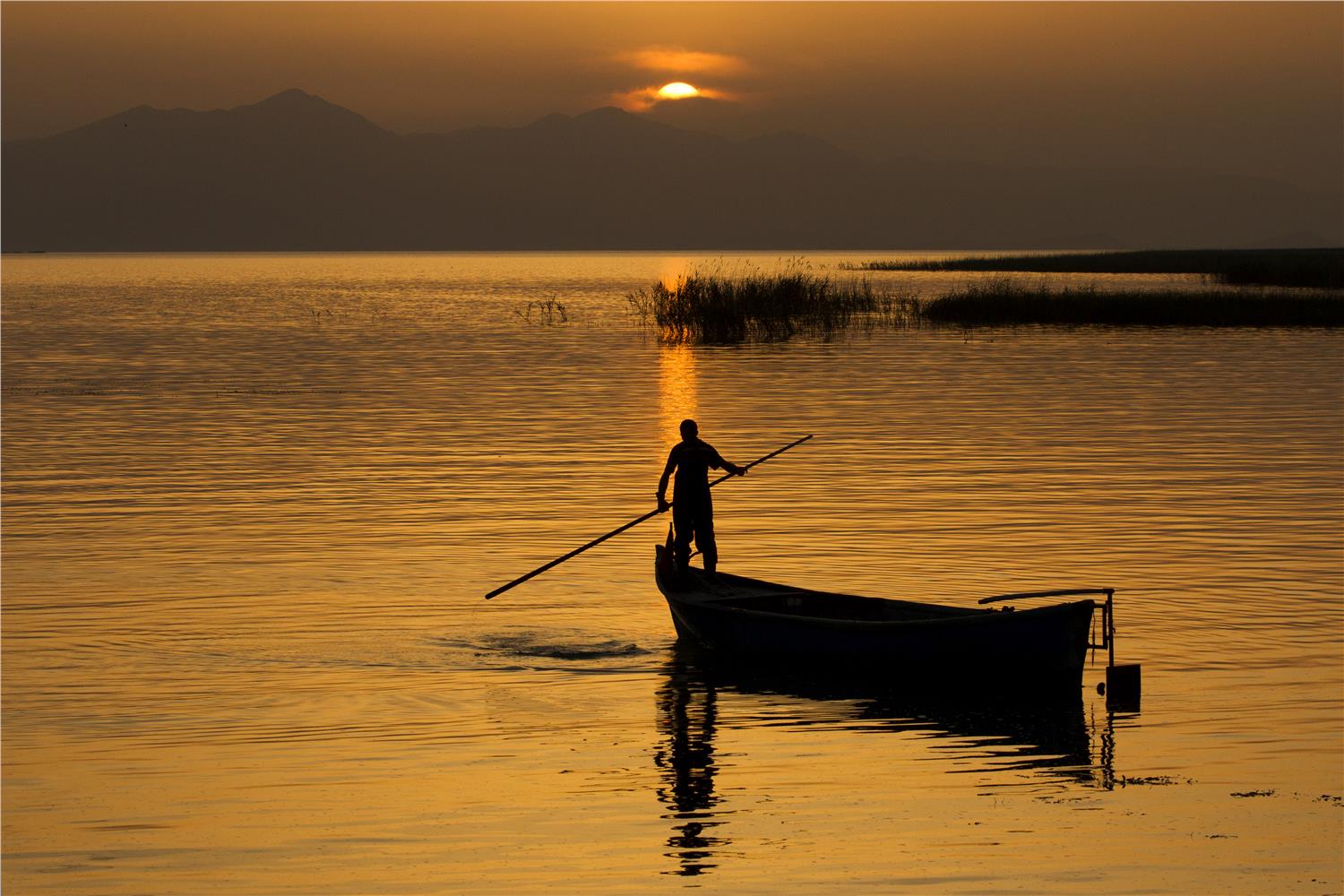
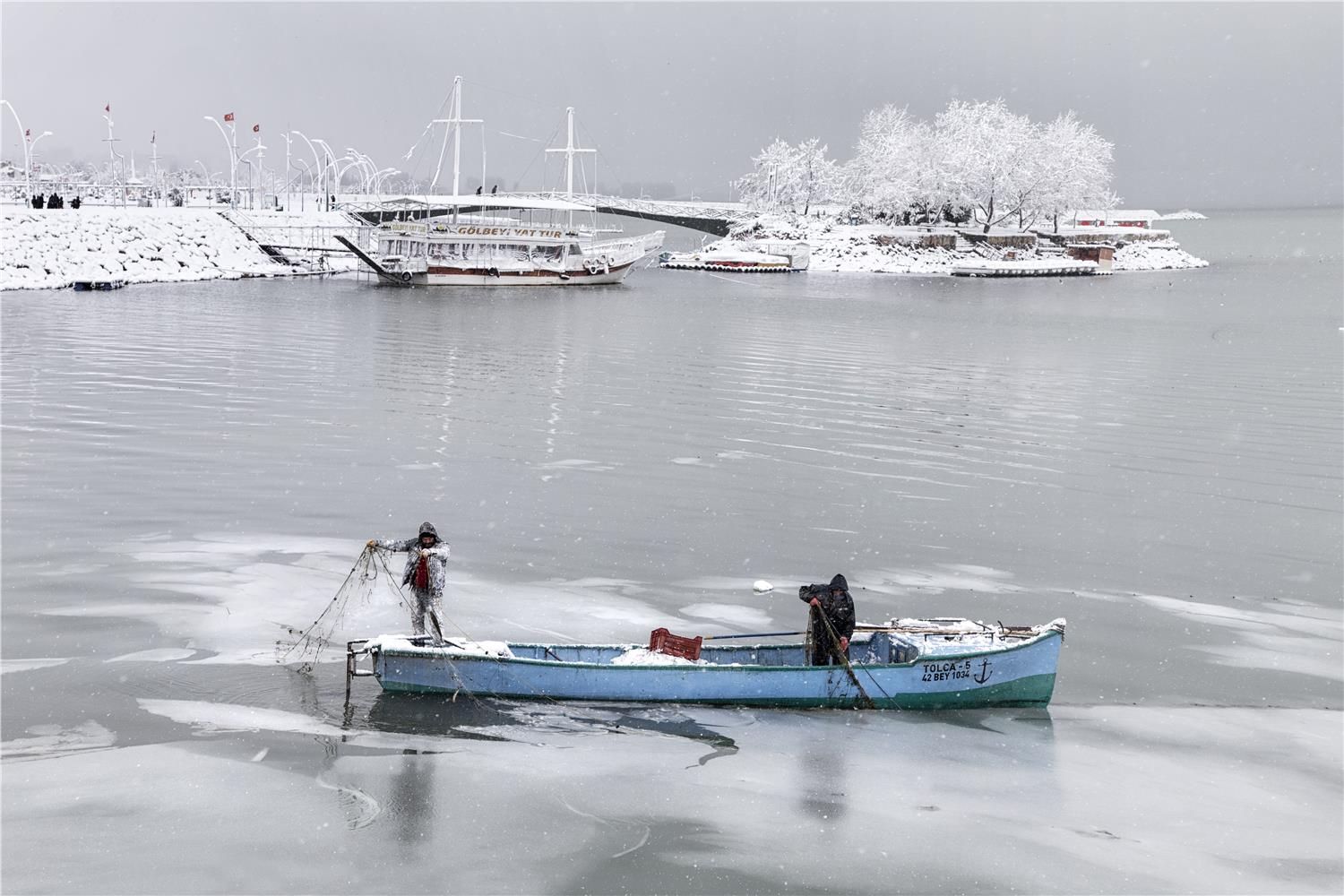
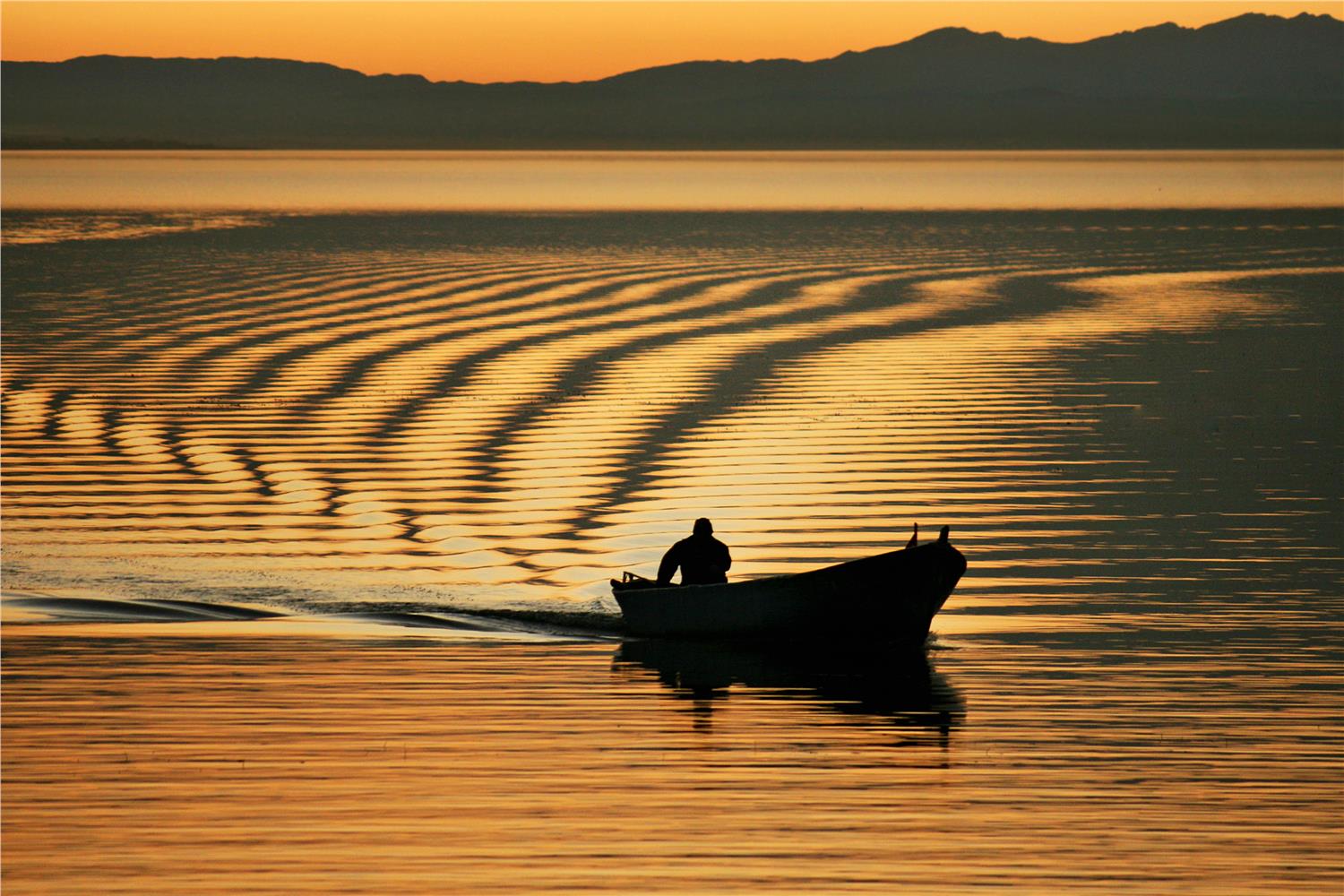
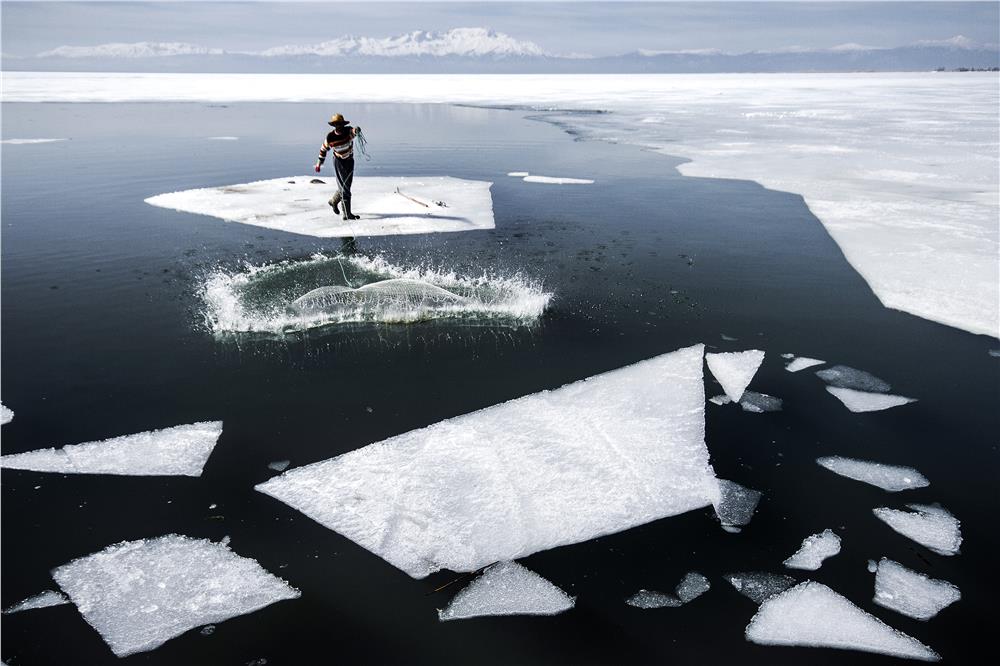
The Dance of the Fishermen: We arrive at the water's edge before the sun crests the Anamas Mountains. Here, photography becomes a study in minimalism and silhouette. You’ll capture local fishermen in their narrow, colorful wooden boats, gliding silently across a surface so still it looks like glass. As they cast their nets in the morning mist, the scene evokes a timeless rhythm—a labor that feels as ancient and meditative as the Sema ceremony itself. The interplay of morning fog, the silhouette of a lone boatman, and the pastel gradients of dawn creates images that look less like photographs and more like ink-wash paintings.
The Technical Meets the Transcendent
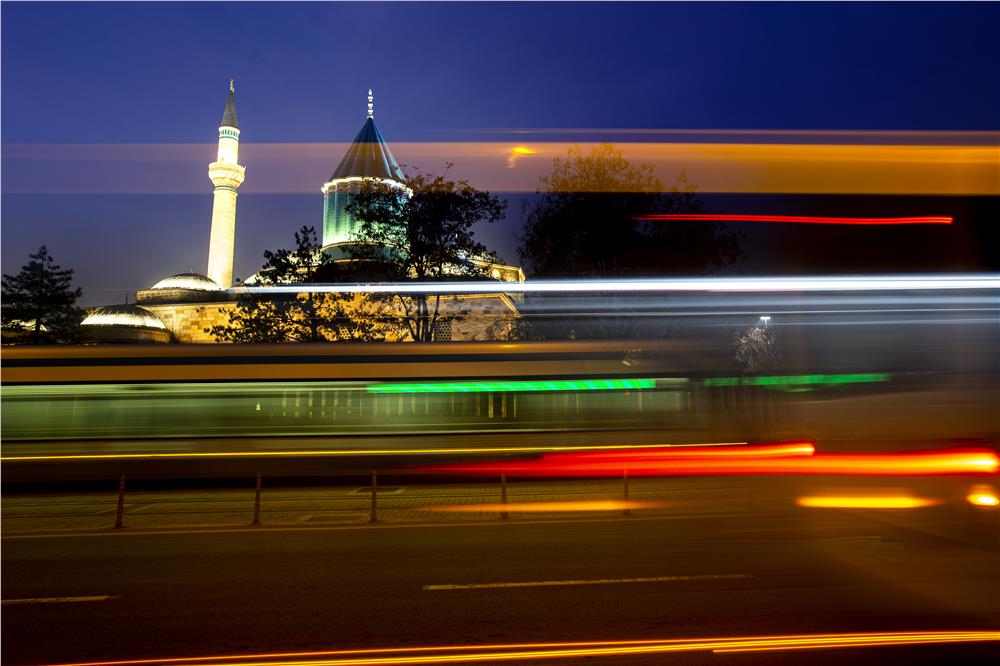
Our expert guides understand both photography and Sufism—a rare combination. They know when the light is perfect for capturing the Mevlana Museum's facade, which changes character dramatically throughout the day. Morning light gives it serenity. Afternoon light emphasizes its grandeur. Evening light, especially just after sunset during blue hour, makes it glow like a lantern guiding pilgrims home.
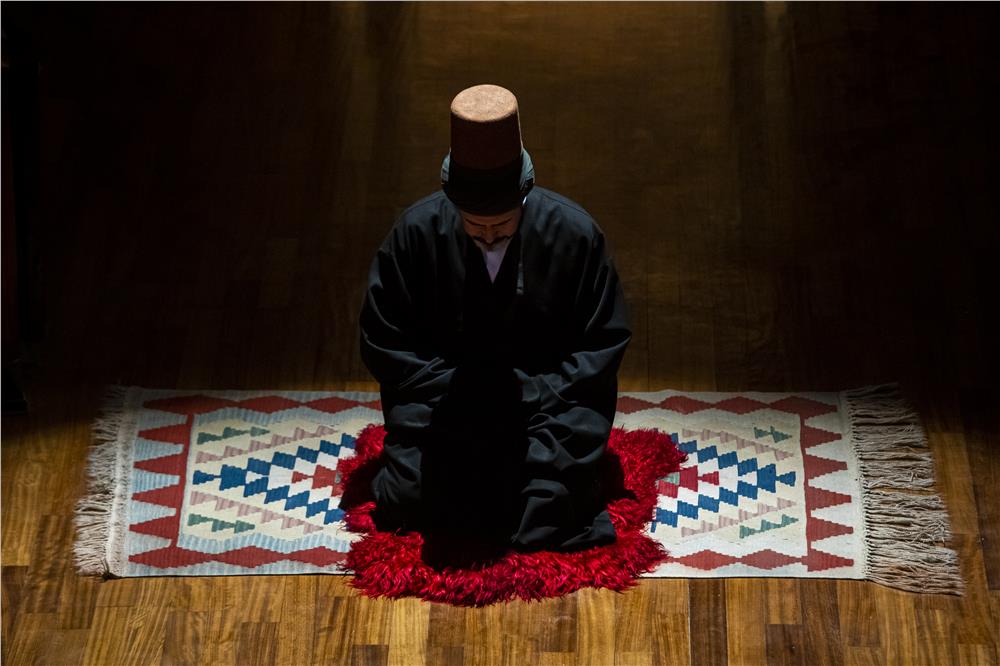
They understand the spiritual significance of what you're photographing, adding layers of meaning to every shot. When you photograph a dervish in meditation, they'll explain the concept of "fanaa"—the annihilation of the ego—so you understand that the stillness you're capturing represents something profound, not merely someone sitting quietly.
They'll help you navigate the delicate balance between being a respectful observer and a passionate photographer. In sacred spaces, they'll show you when to put the camera down and simply witness, understanding that not every powerful moment needs to be captured—sometimes, the most important photographs are the ones we store only in memory.
From a technical standpoint, we'll cover everything from managing challenging lighting conditions in mosques (where flash is often prohibited and ambient light can be scarce) to capturing motion blur that enhances rather than degrades the sense of whirling movement. We'll discuss composition strategies that honor Islamic aesthetic principles, where balance, pattern, and the infinite repetition of geometric forms reflect theological concepts.
The Streets That Teach You to See
Konya's old quarters are a masterclass in street photography. Unlike the aggressive pace of Istanbul or the tourist-saturated lanes of Cappadocia, Konya's streets move at a tempo that allows for observation. People here aren't rushing past your lens—they're living their lives at a pace that photography can actually capture.
You'll photograph bakers pulling bread from wood-fired ovens at dawn, their faces illuminated by flames that have been lit the same way for centuries. You'll capture cobblers in tiny workshops, surrounded by leather and tools, their hands moving with the precision of surgeons. You'll document spice merchants weighing saffron on brass scales, the crimson threads creating color accents against worn wooden counters.
And everywhere—everywhere—you'll find details that reward the observant photographer. Door knockers shaped like hands, each one unique. Shadows of window grills creating Islamic geometric patterns on interior walls. Reflection of minarets in rain puddles. Graffiti that quotes Rumi in three languages. These are the images that separate tourist snapshots from meaningful photography.
Seasonal Magic: When to Capture Konya
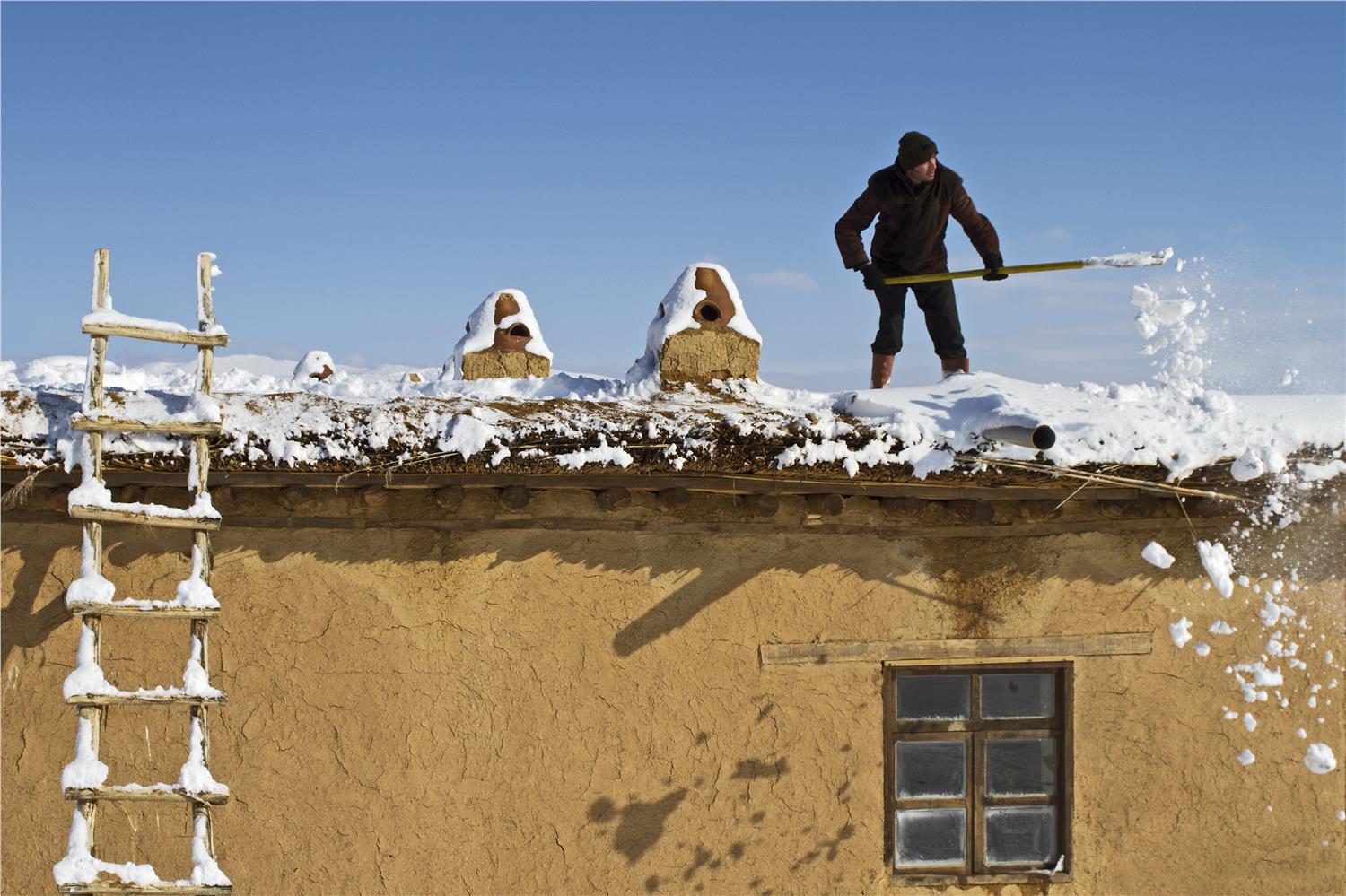
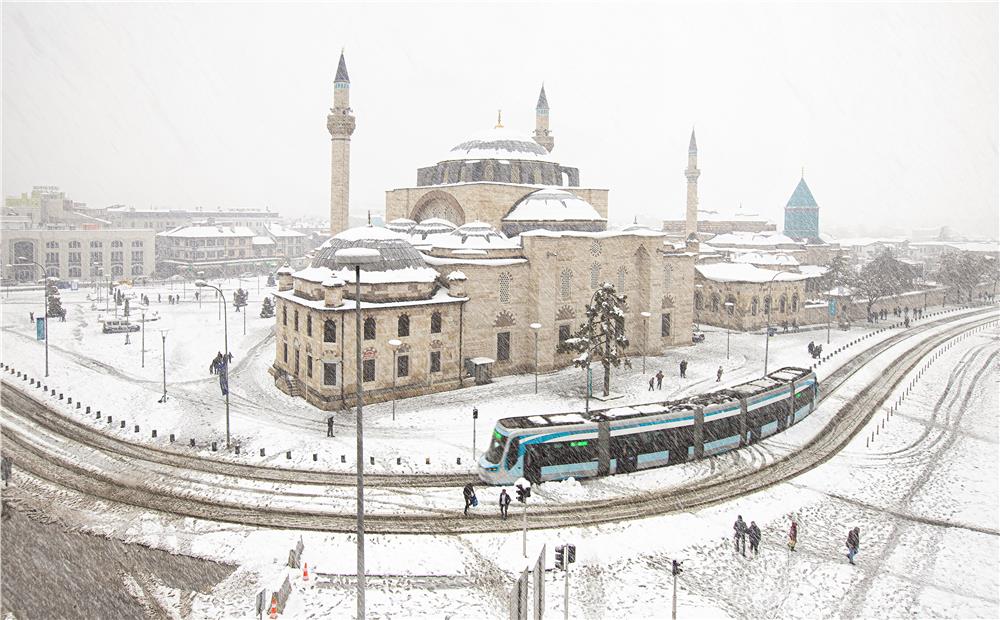
Each season offers its own photographic poetry. Winter in Konya, especially during the December Şeb-i Arus festival, brings snow that softens the city's edges and creates a natural monochromatic palette. The whirling dervish ceremonies take on additional poignancy against the cold, and the warm glow from windows and streetlamps provides opportunities for striking contrasts.
Spring transforms the city with almond blossoms and tulips—flowers that carry deep symbolic meaning in Islamic culture. The light becomes clearer, and the Taurus Mountains in the distance lose their snow caps gradually, offering ever-changing backdrops.
Summer brings harsh light that many photographers avoid, but in Konya, it creates dramatic shadows and forces you to work during the extended golden hours, when the Anatolian plateau seems to glow from within.
Autumn might be Konya's most photogenic season, when the light takes on a golden quality that seems designed specifically for cameras, and the tourists thin out, giving you the city back to itself.
Who Is This Journey For?
For photographers who've grown tired of superficial travel snapshots. For seekers who understand that the best images capture not just how things look, but how they feel. For anyone who's ever wanted their photography to have soul, not just skill.
This tour suits the documentary photographer seeking authentic cultural moments. It serves the fine art photographer looking for images with metaphorical depth. It challenges the street photographer to work in an environment where respect and sensitivity matter as much as the decisive moment. It rewards the architectural photographer with structures that represent some of Islamic civilization's greatest aesthetic achievements.
Whether you're shooting with a professional DSLR, a mirrorless camera, or even a smartphone, what matters is your willingness to see deeply. Konya rewards those who look beyond the surface. The city doesn't reveal itself to the impatient or the superficial. It asks you to slow down, to observe, to understand context before you click the shutter.
A Journey That Changes Both Your Portfolio and Your Perspective
Participants in our Konya photography tour consistently tell us the same thing: they came for the images but left with something more profound. There's something about photographing devotion that makes you consider what you devote yourself to. Something about capturing whirling dervishes that makes you examine what makes you spin. Something about documenting a city that has spent centuries contemplating love, loss, and the longing for divine connection that makes you contemplate your own relationships with these fundamental human experiences.
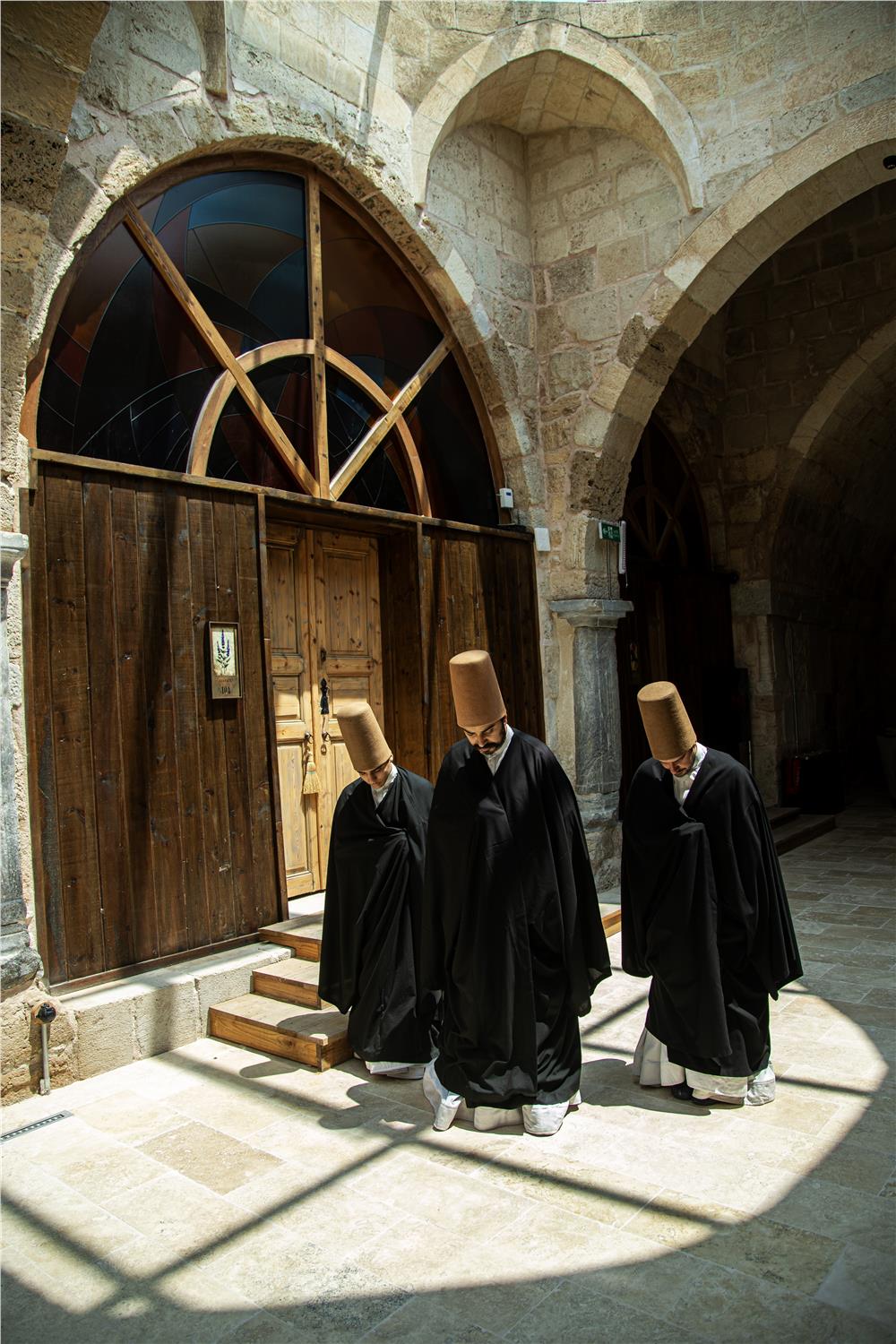
Your portfolio will certainly benefit. You'll return with images that stand apart from typical travel photography—pictures with depth, context, spiritual resonance. But you'll also return with a changed perspective on what photography can be. Not just documentation, not just art, but a form of meditation, a practice of paying attention, a way of honoring the world by truly seeing it.
Rumi said, "Travel brings power and love back into your life." With a camera in hand and Konya's mystical energy all around you, you'll discover he was right—and you'll have the photographs to prove it. More than that, you'll have memories of moments when the barrier between photographer and subject dissolved, when you weren't taking pictures but participating in something larger than yourself.
Practical Magic: What Makes This Tour Different
Our accommodations place you in the heart of the old city, often in restored Ottoman houses where architectural details become part of your photographic education. Wake up to views of traditional rooftops. Practice your dawn photography from your window. Experience Konya as residents do, not as someone passing through.
Meals become cultural experiences and photography opportunities. We eat where locals eat, and we choose restaurants and tea houses that welcome photographers.
Join Us in Konya, Where Every Photograph Is a Prayer, and Every Prayer Becomes a Photograph