
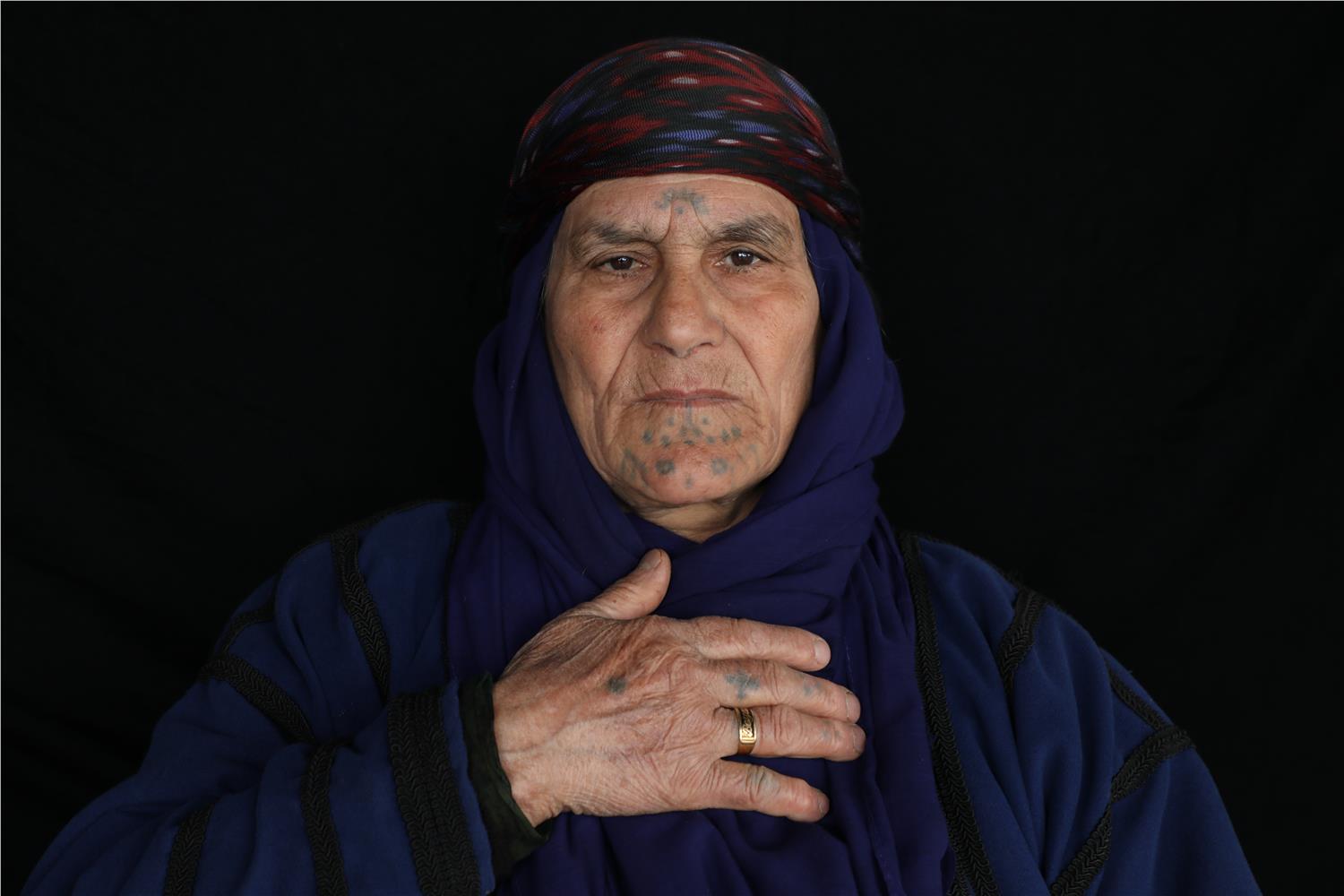
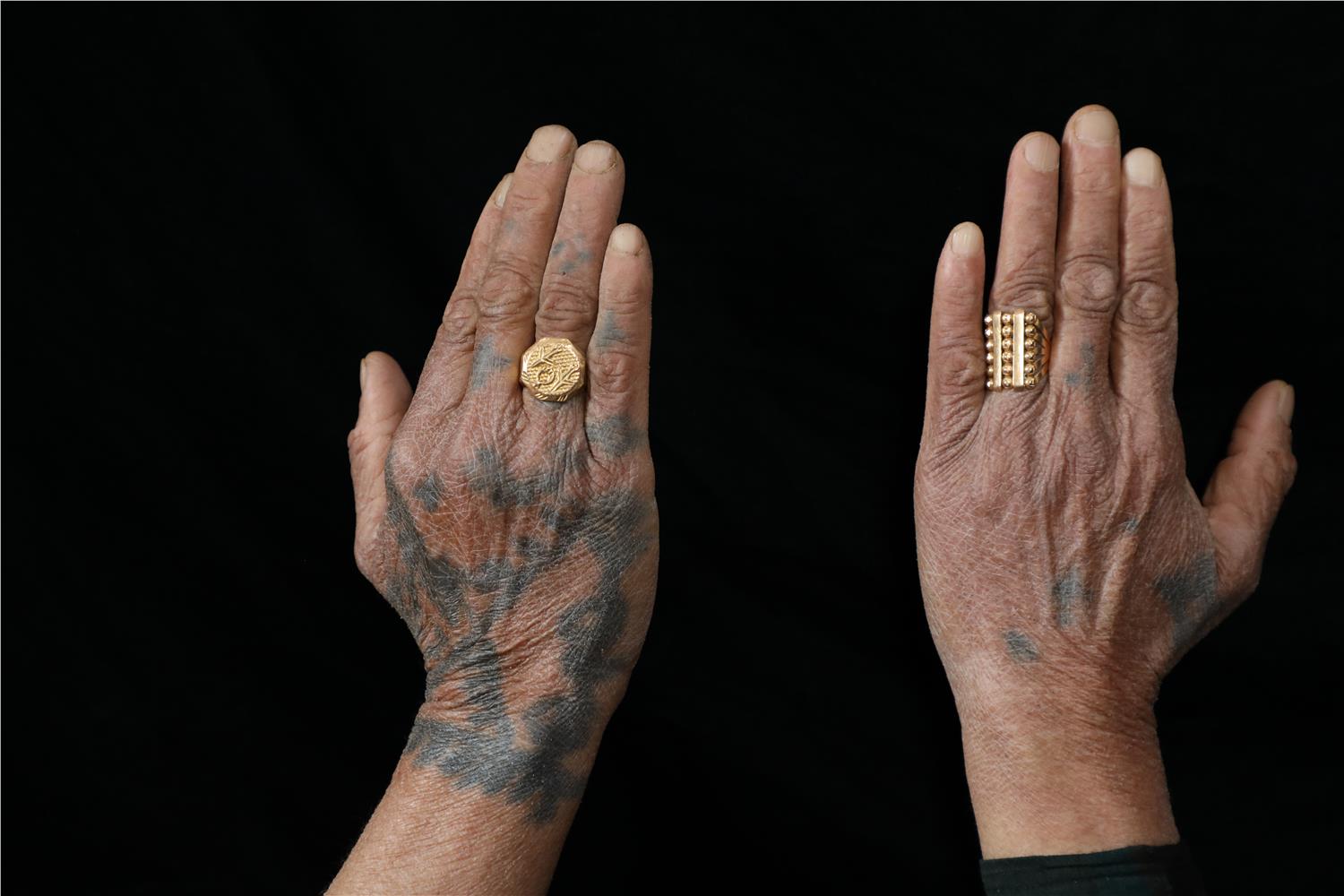
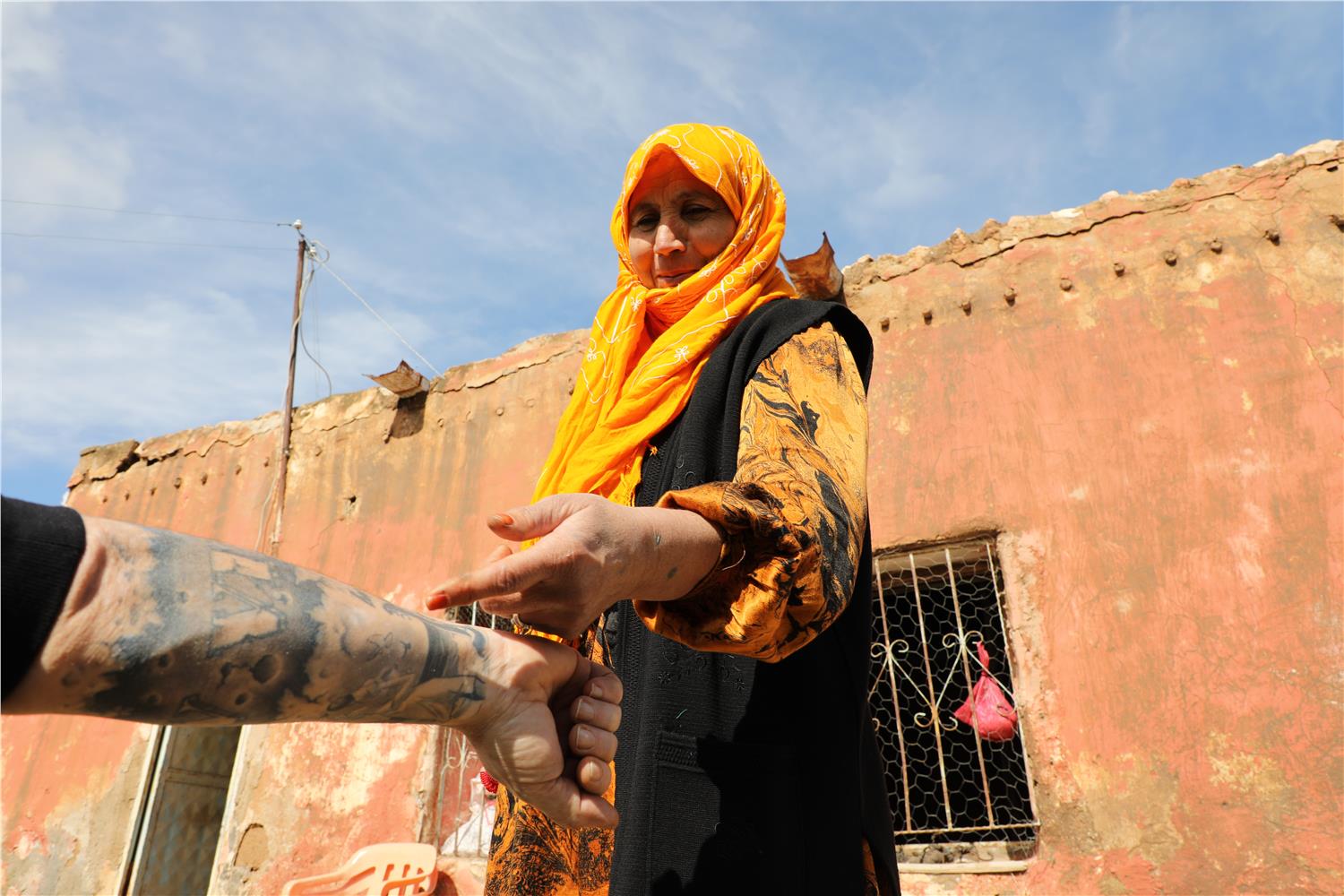
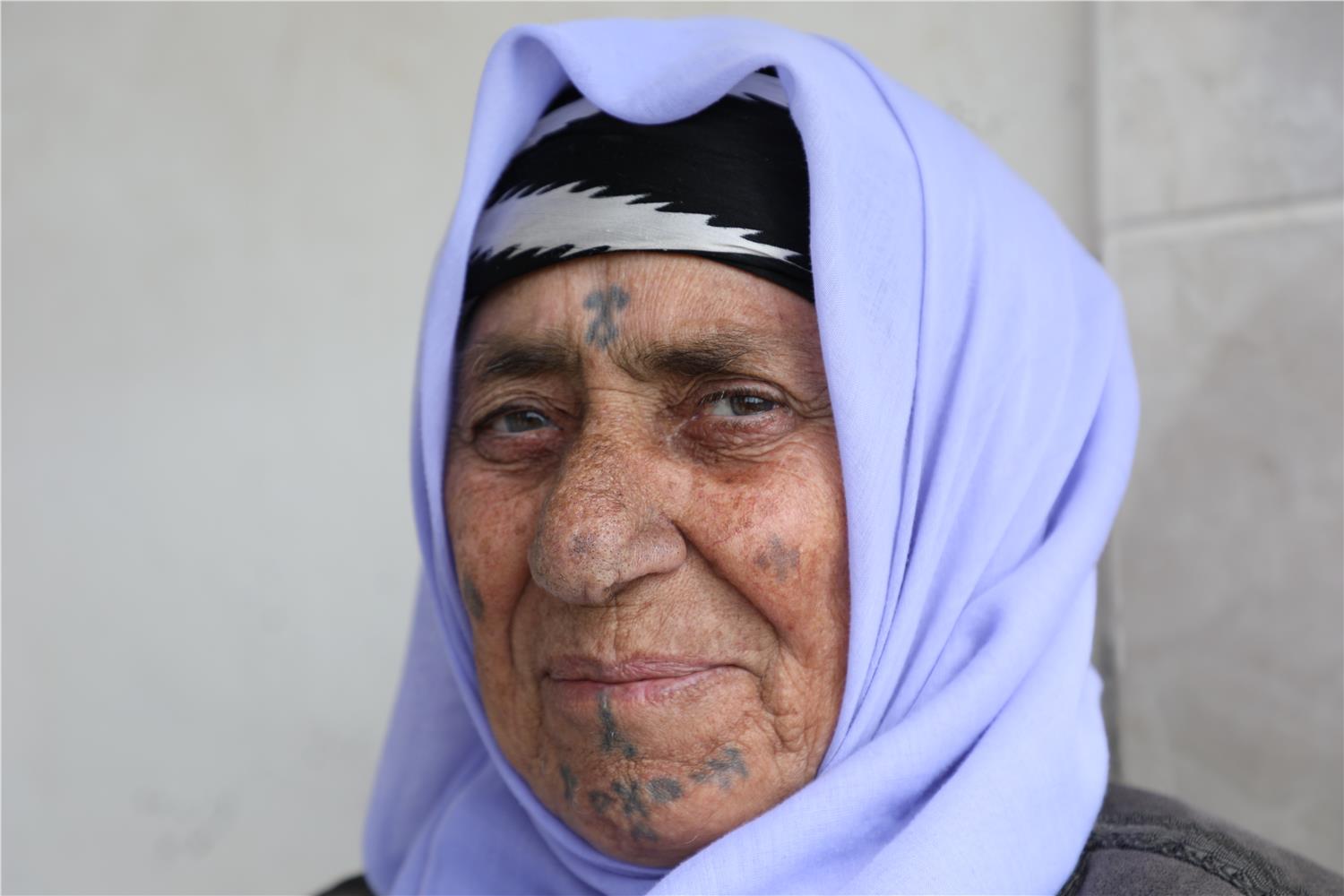
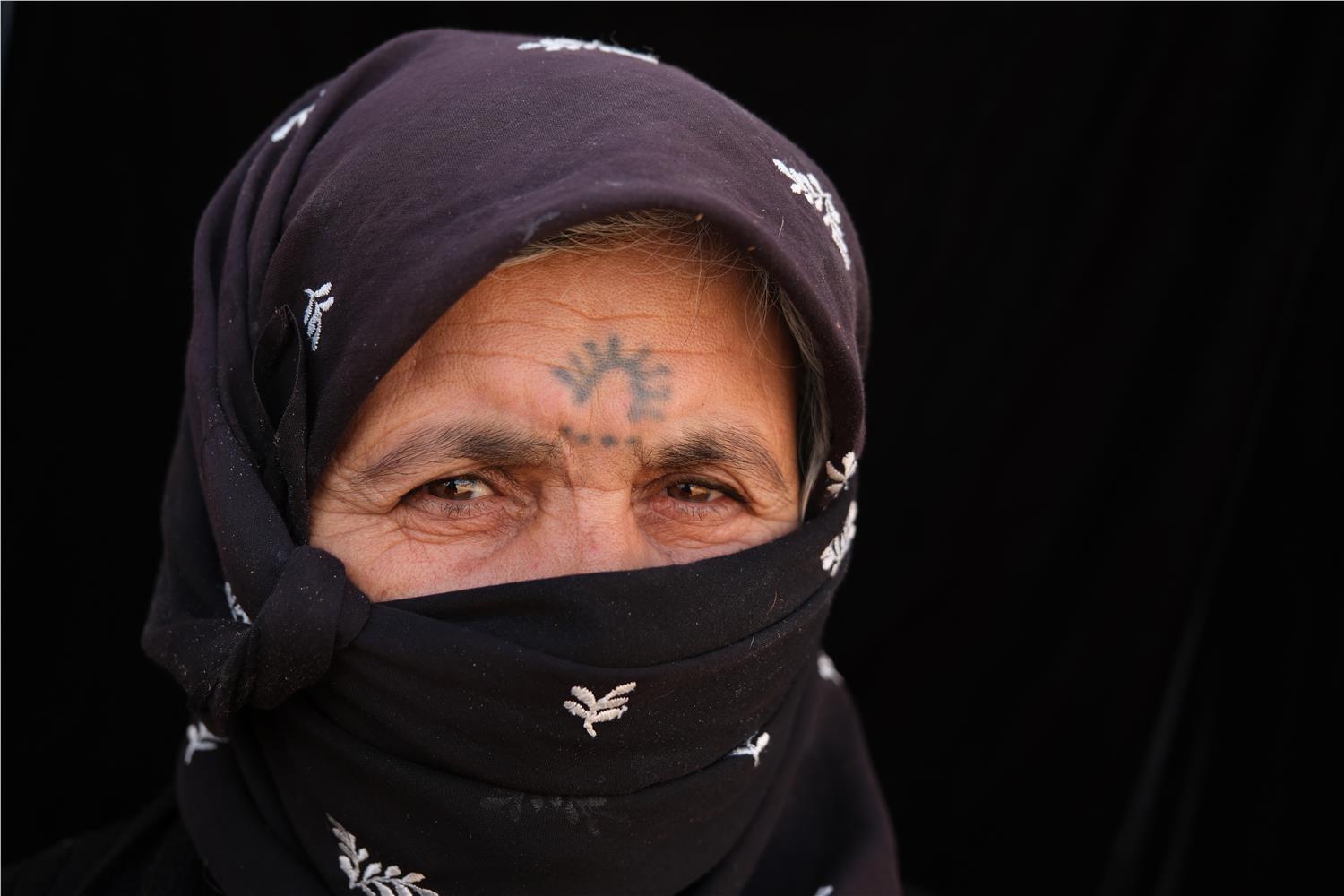
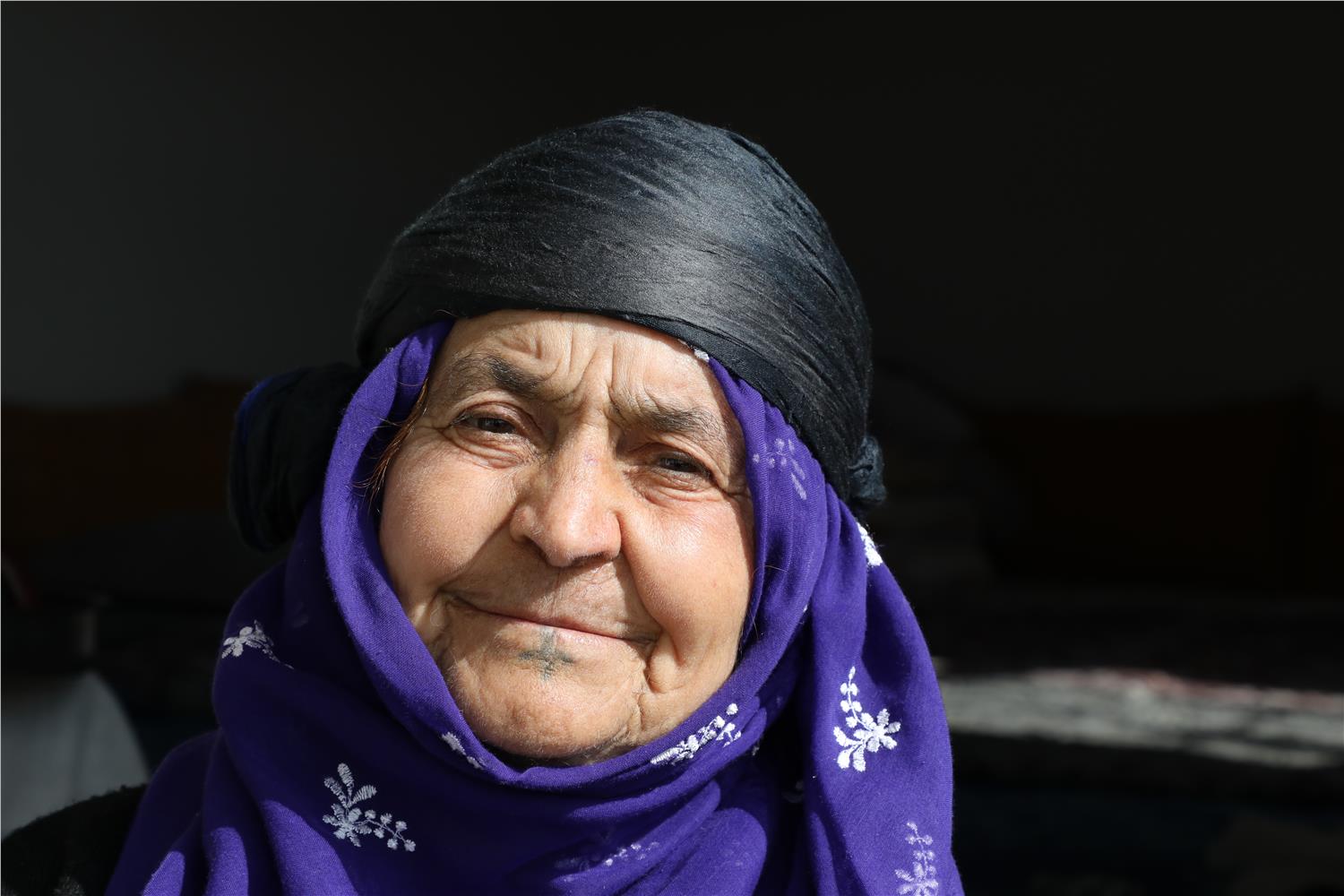
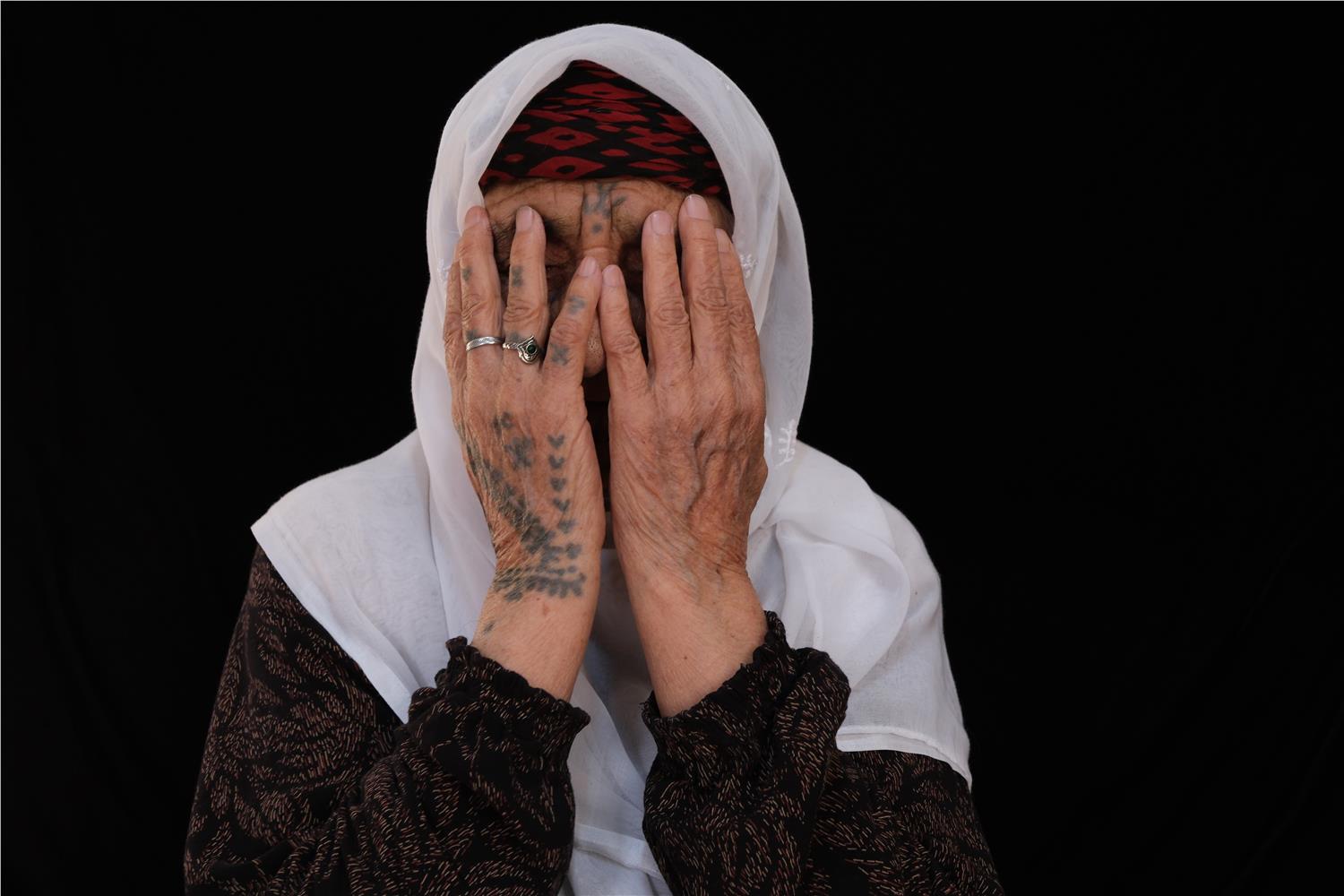
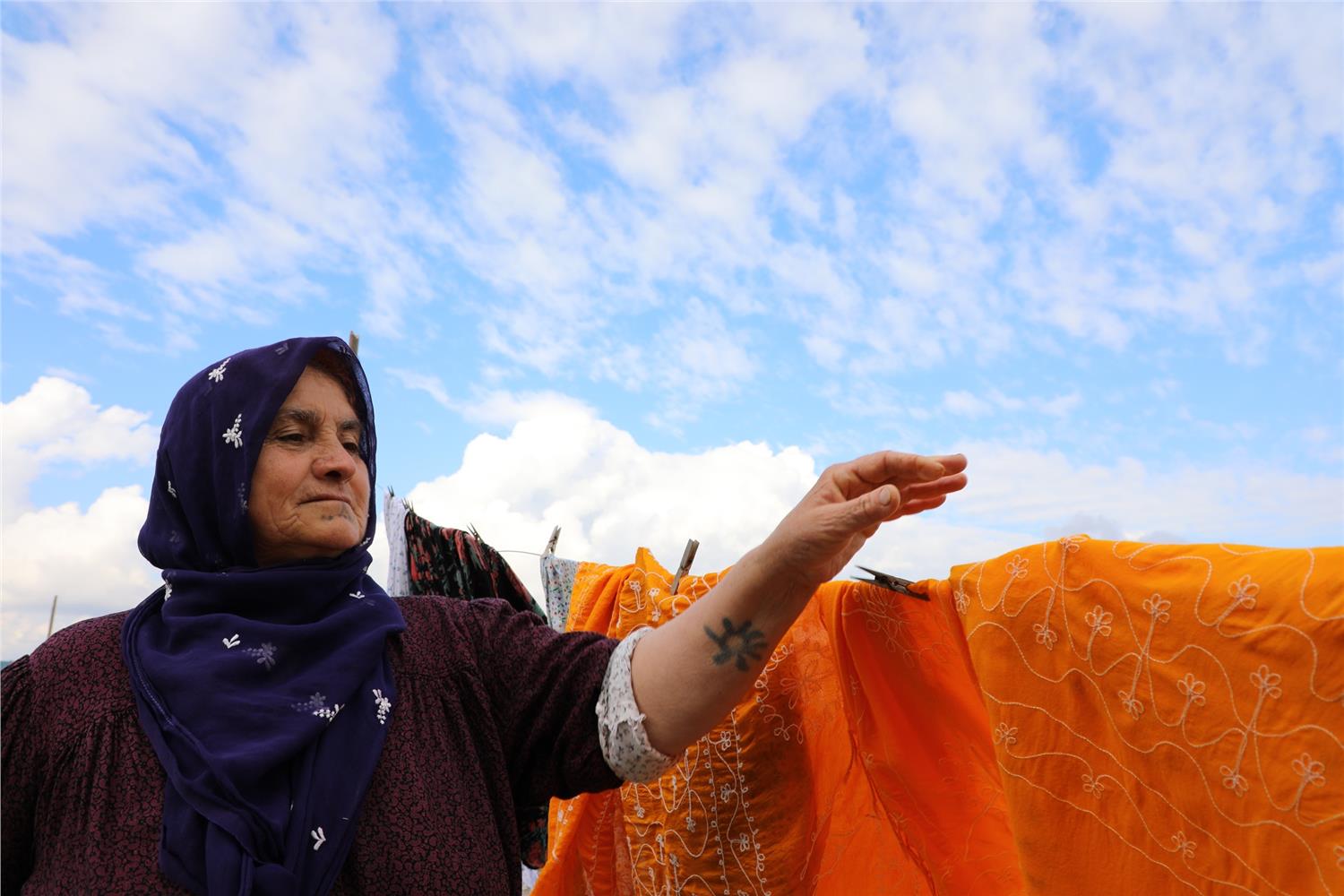
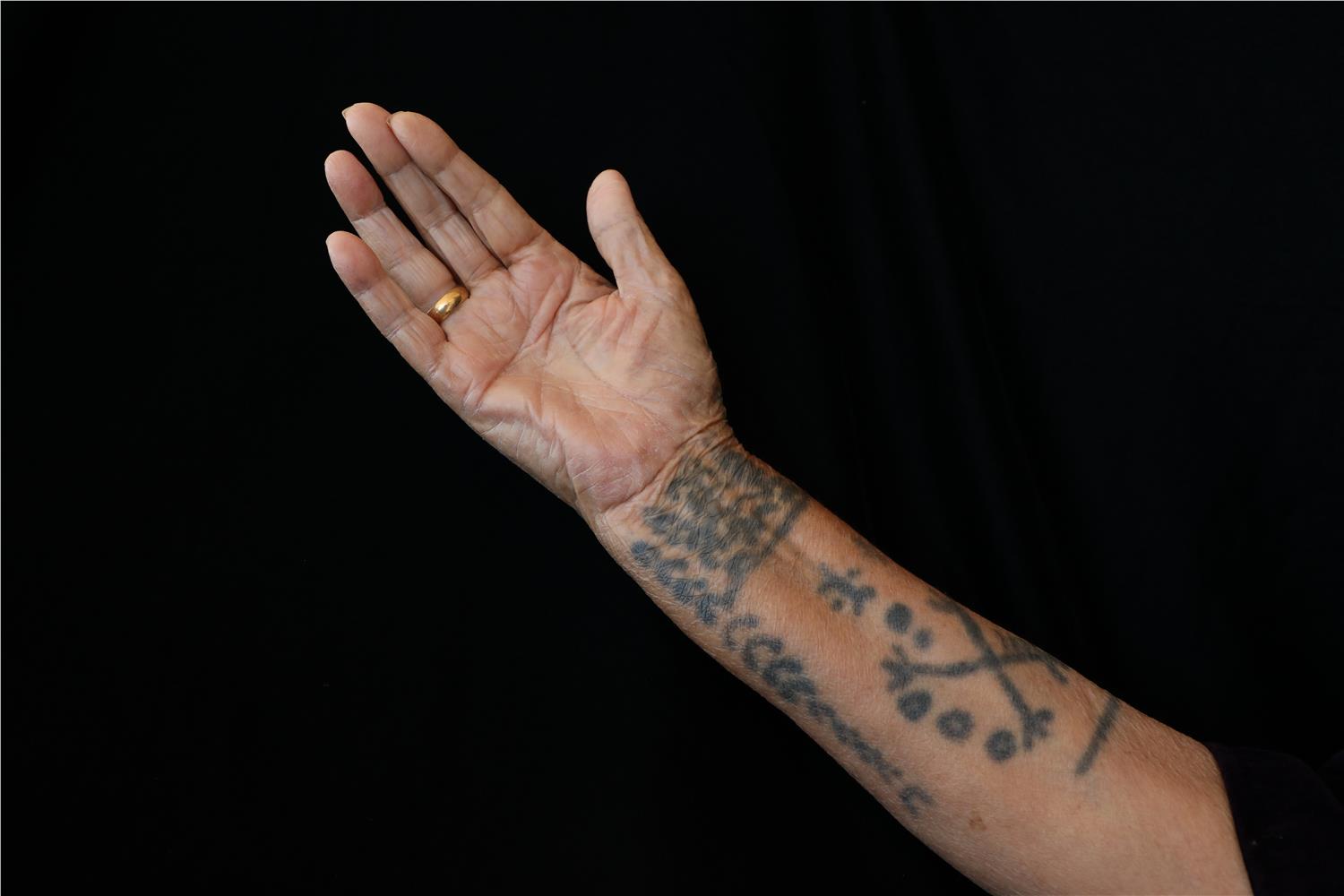
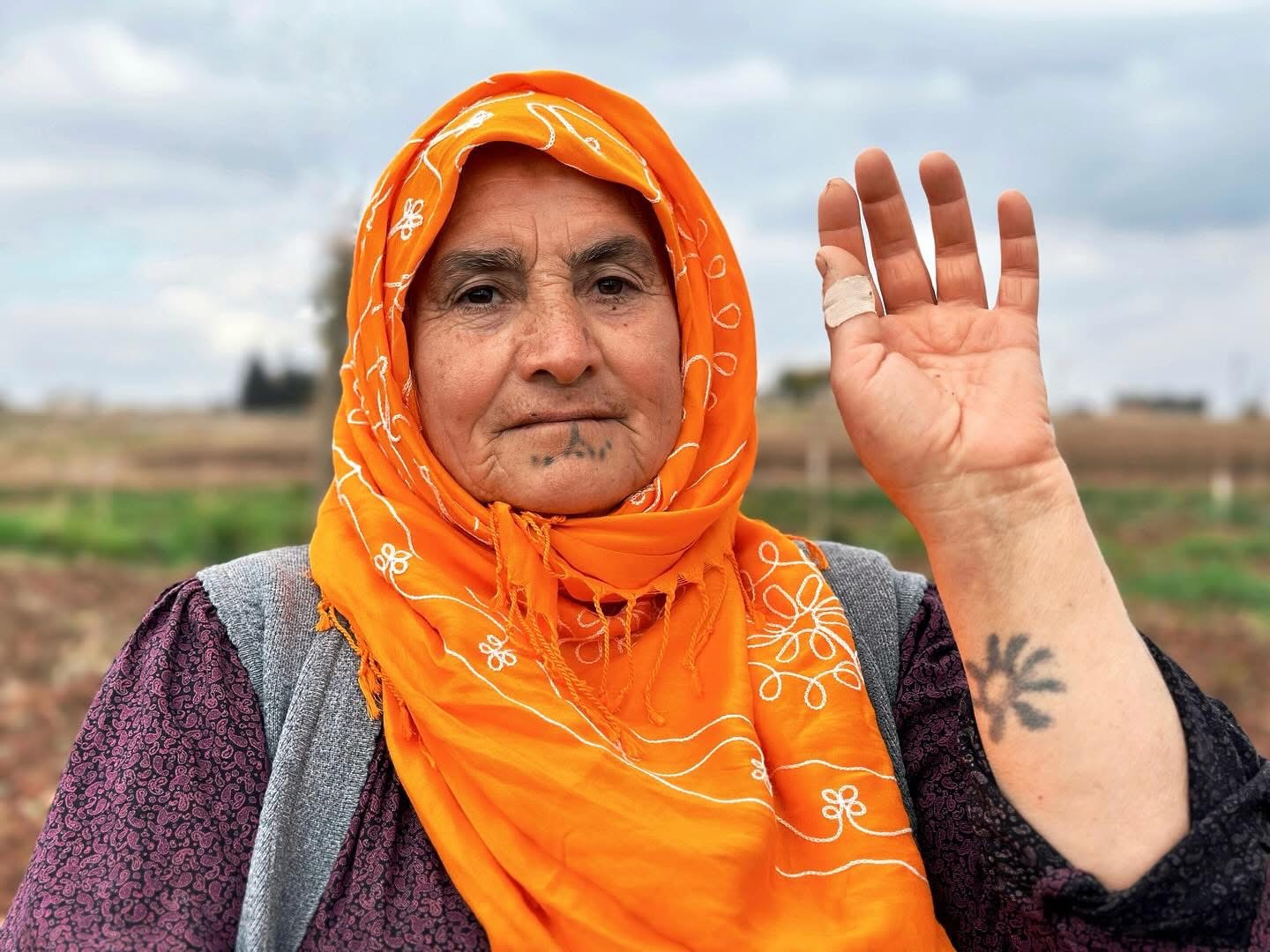
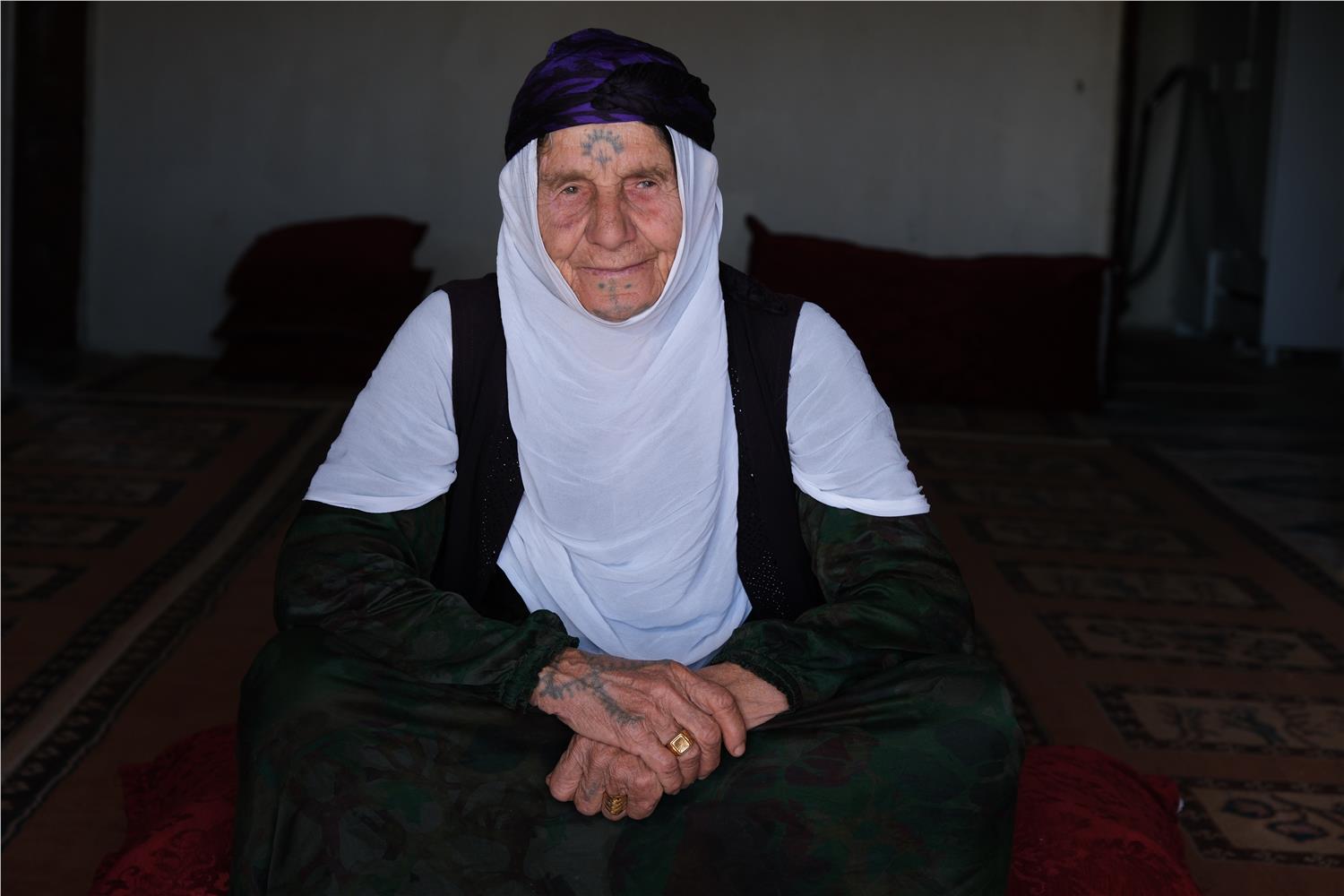
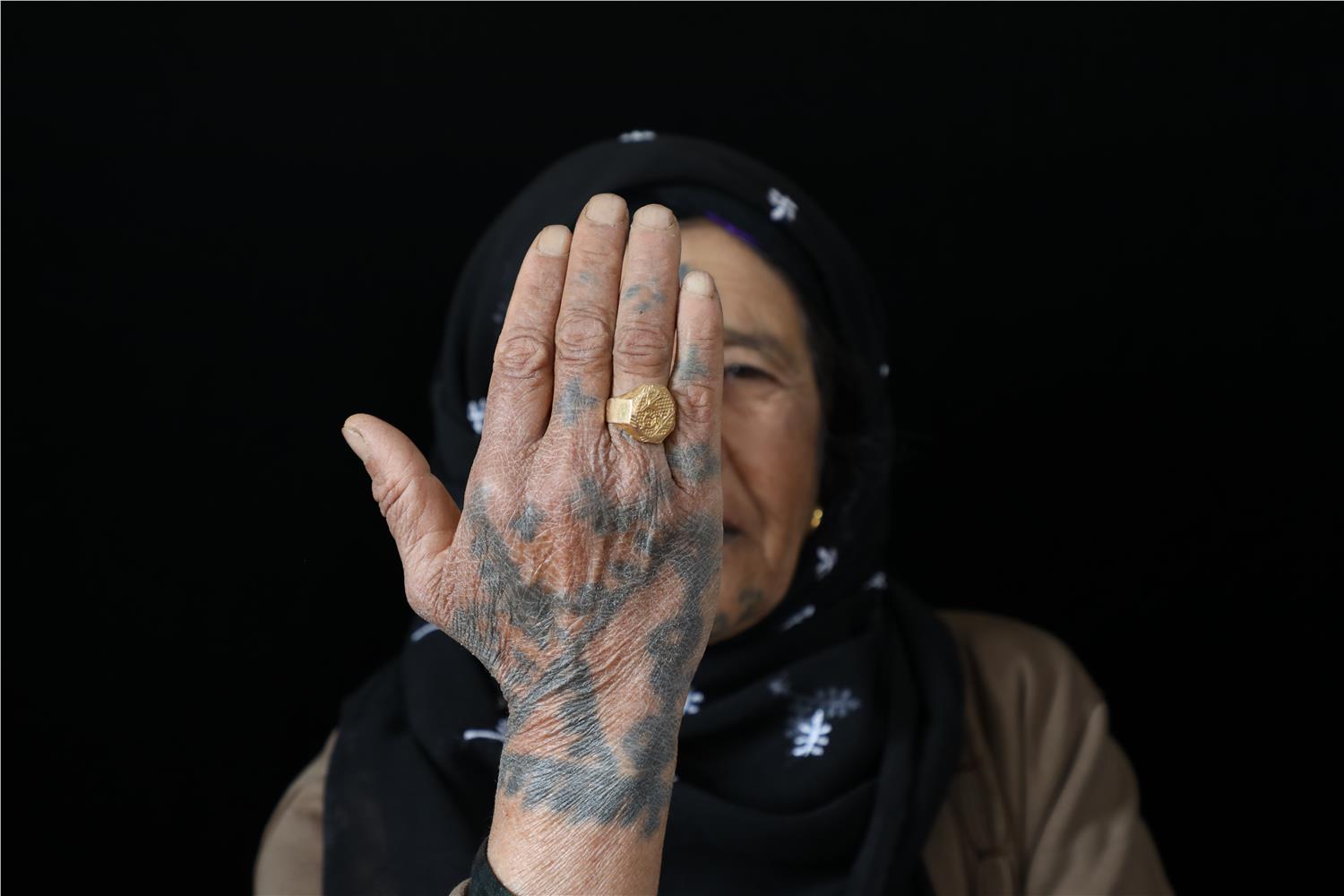
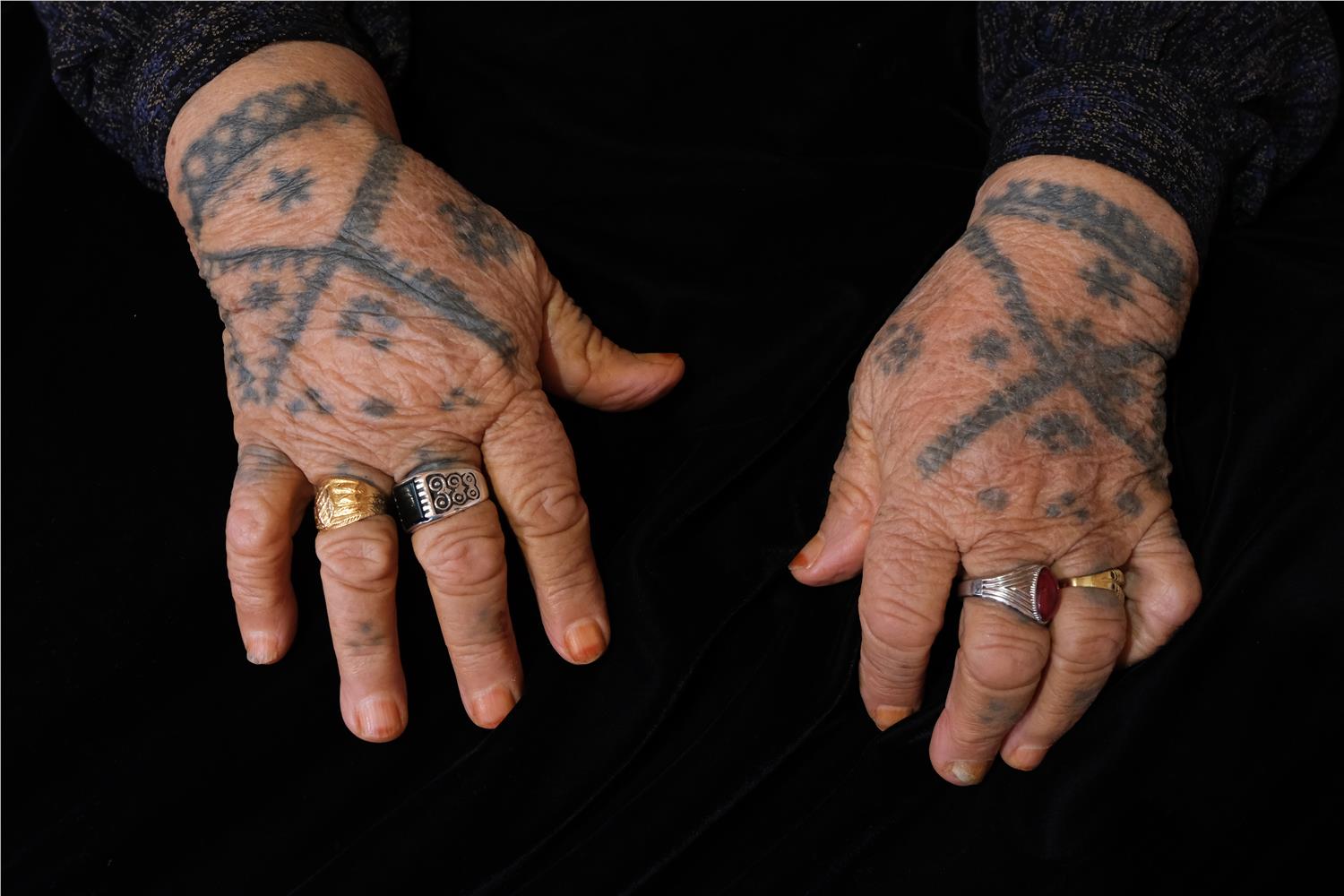
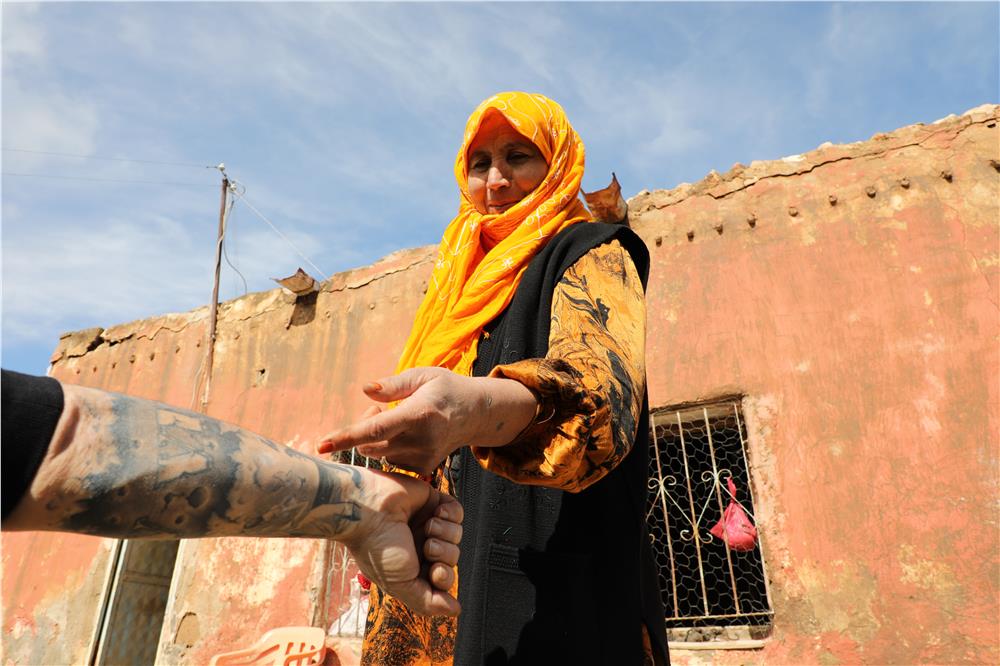
The afternoon light filters through the courtyard as seventy-year-old Ayşe extends her weathered hands toward you. Across her knuckles, faded green marks tell stories older than memory—a sun on one hand, a crescent moon on the other. These aren't merely decorations. They're deq, the ancient tattoos that have marked the women of this region for millennia, each motif a verse in a song passed from grandmother to granddaughter, sung in ink beneath the skin.
This is southeastern Turkey, where 12,000-year-old temples rise from wheat fields and elderly women carry the last visible traces of practices that stretch back to humanity's earliest chapters. For photographers seeking not just images but meaning, this region offers something increasingly rare: the chance to witness living history, to document traditions at the delicate moment before they fade into folklore.
The Language Written on Skin
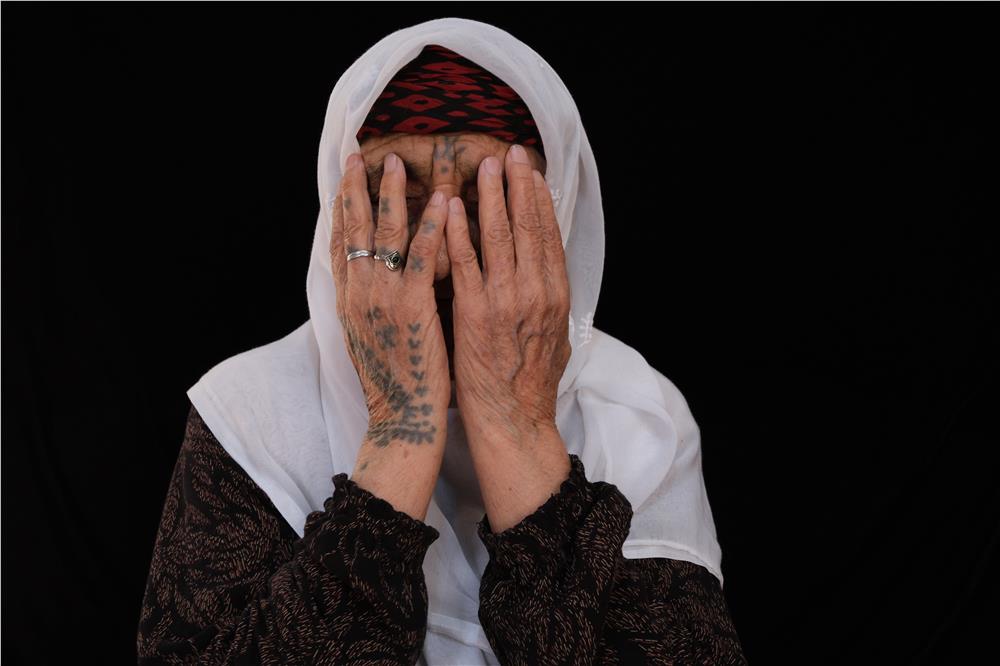
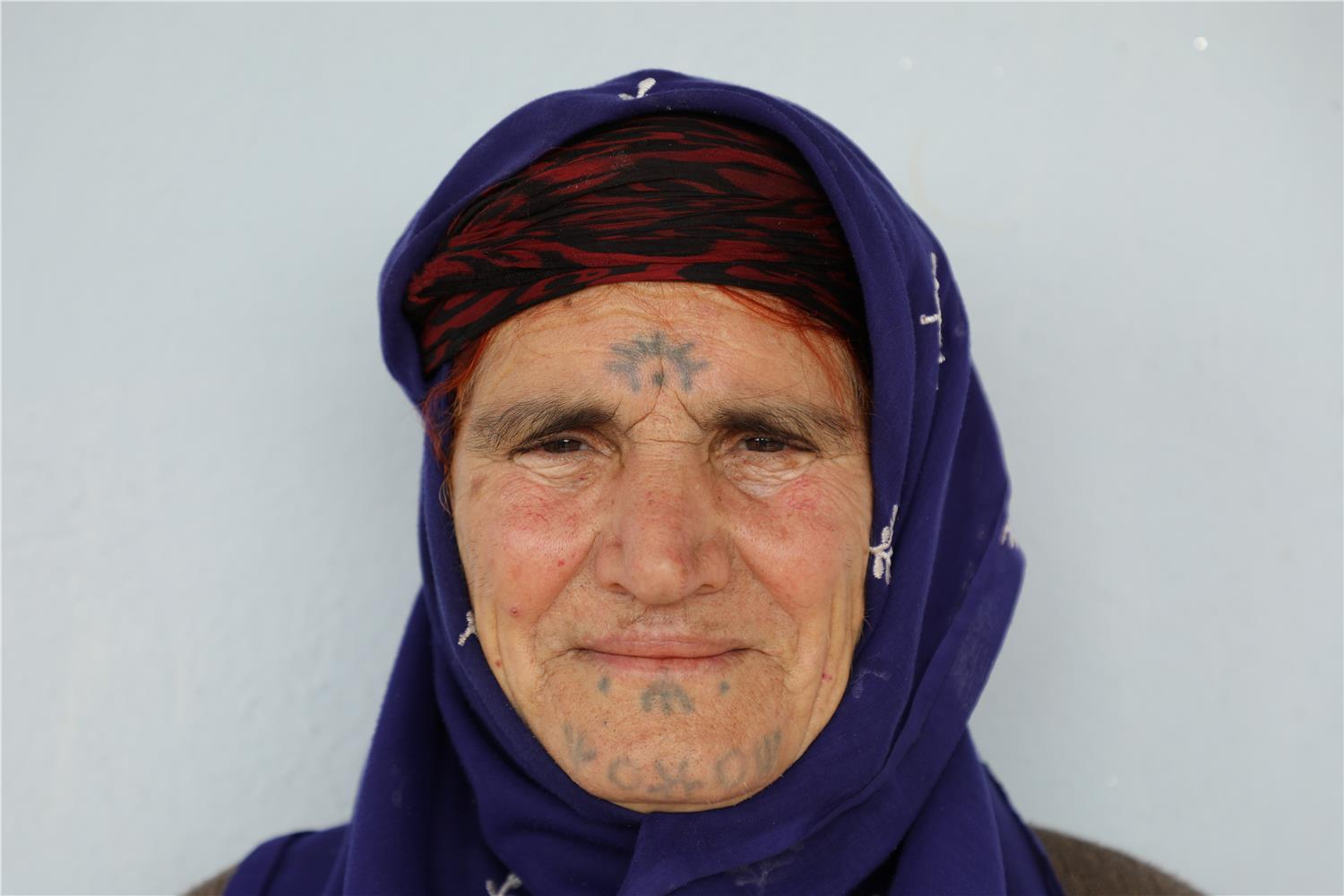
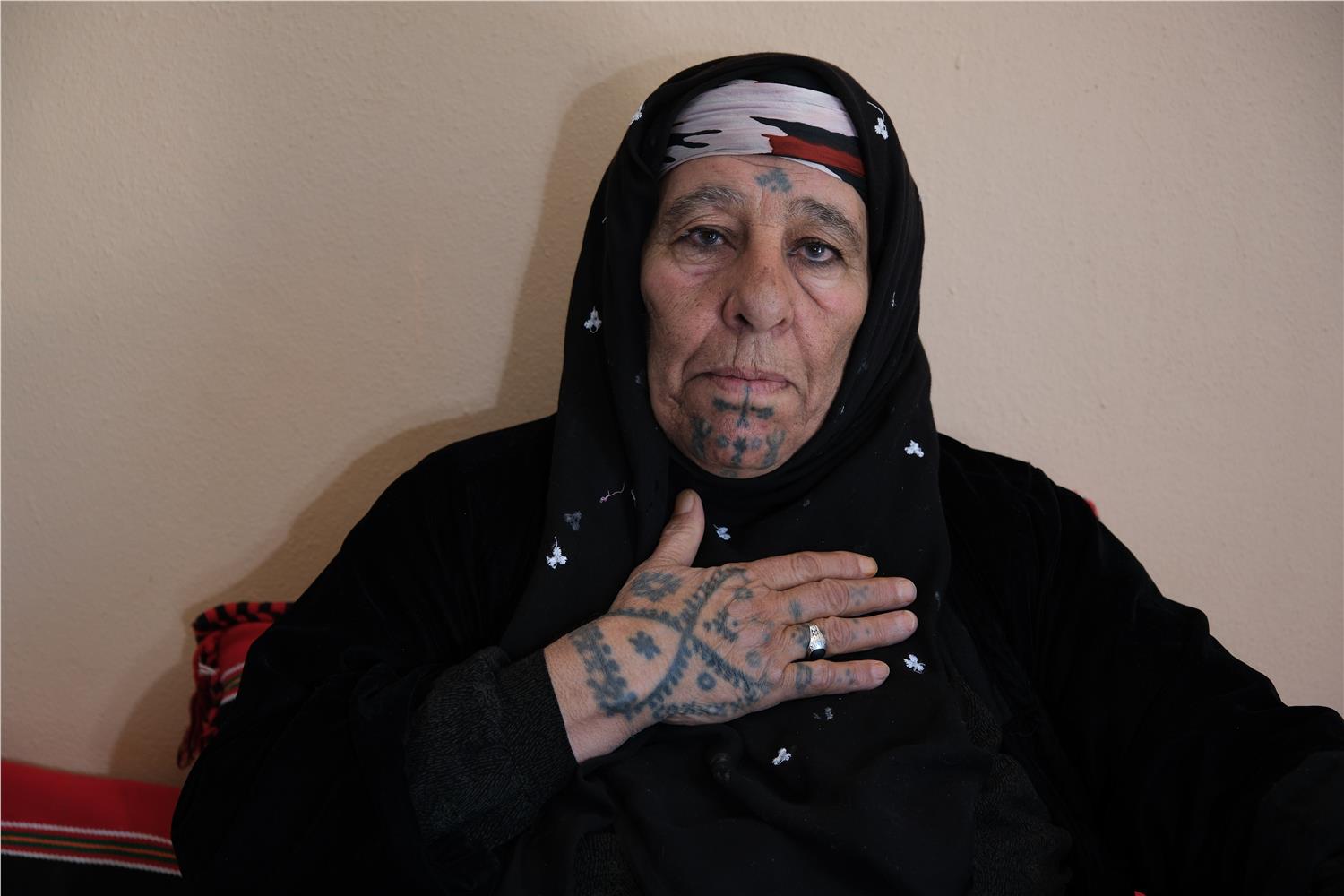
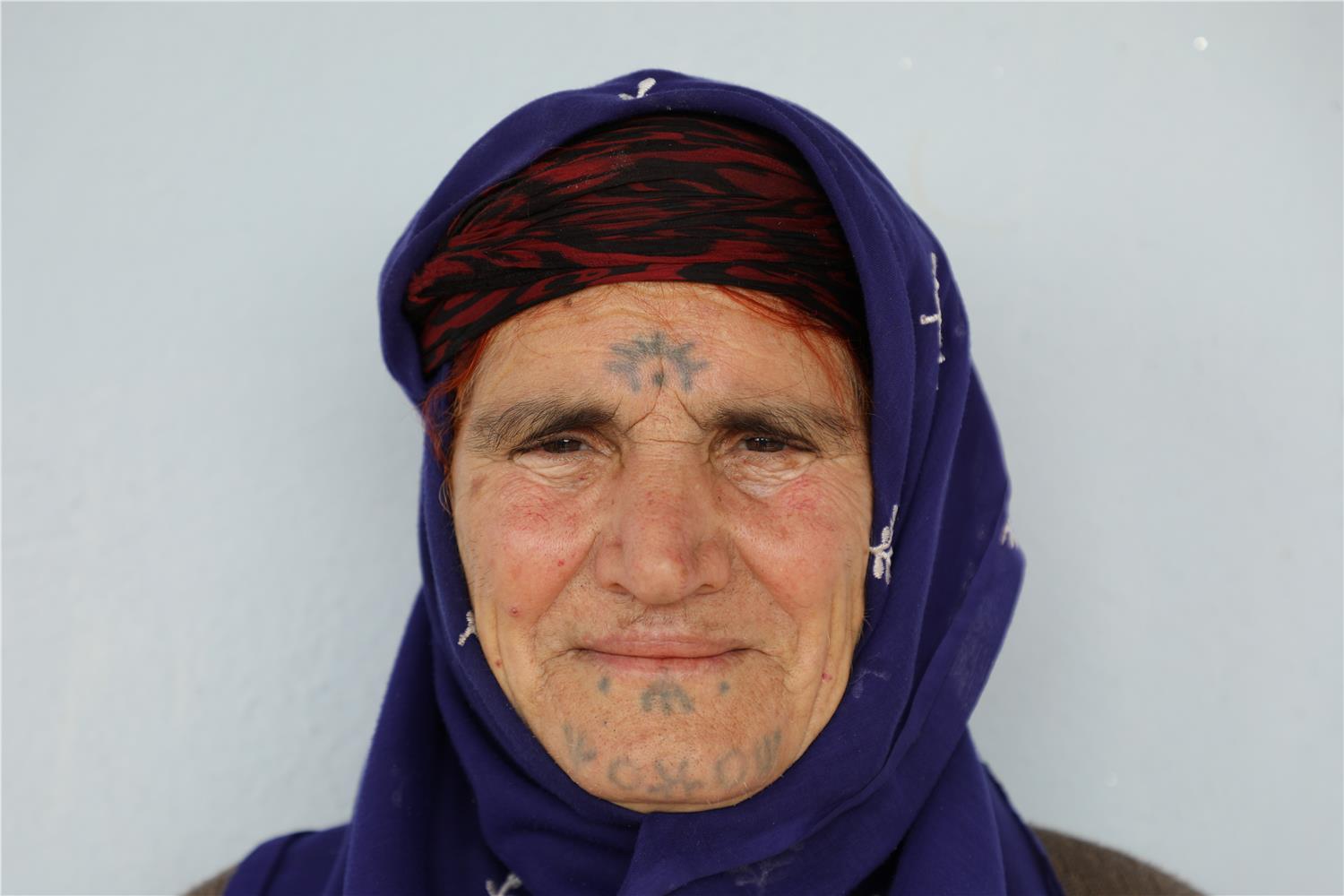
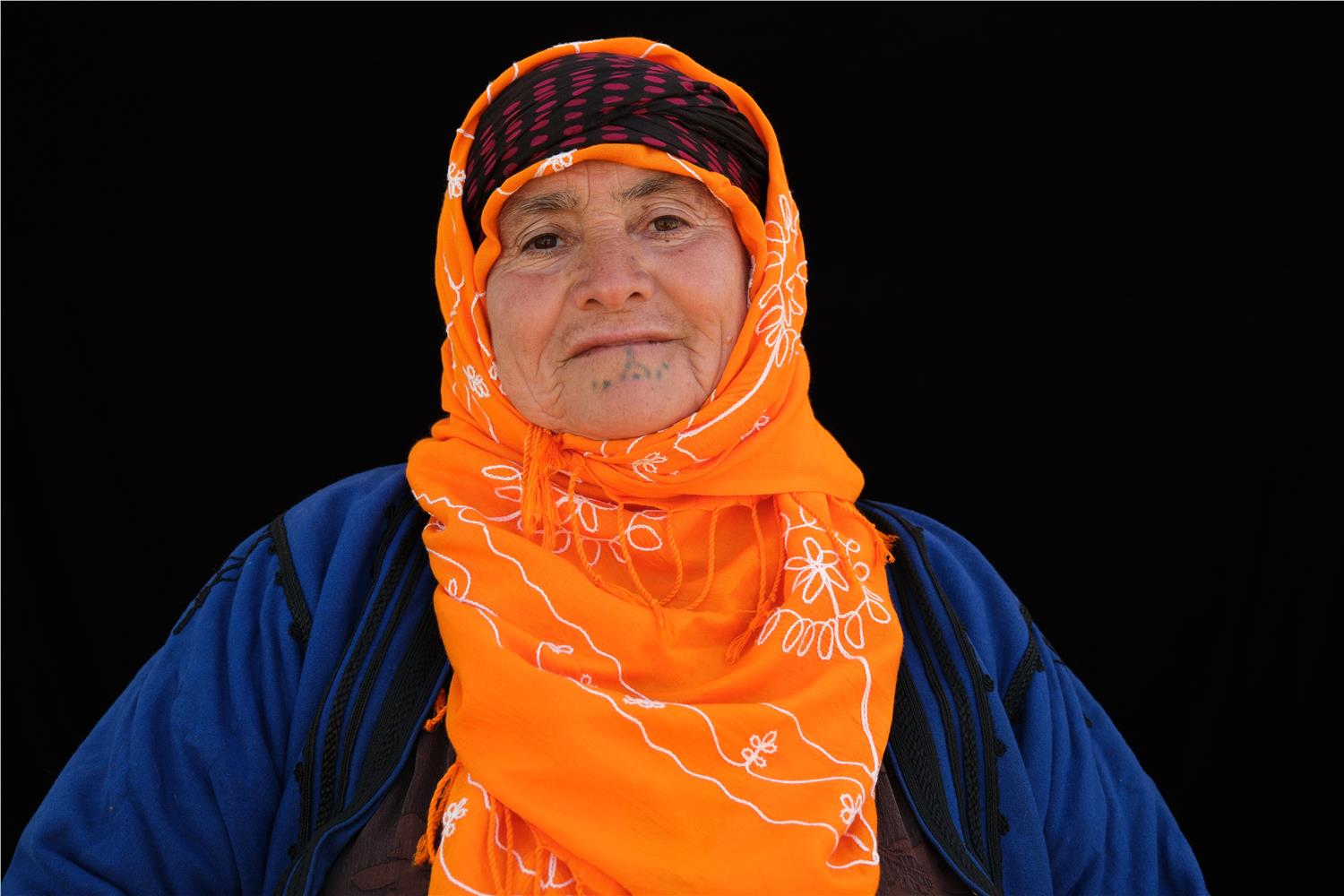
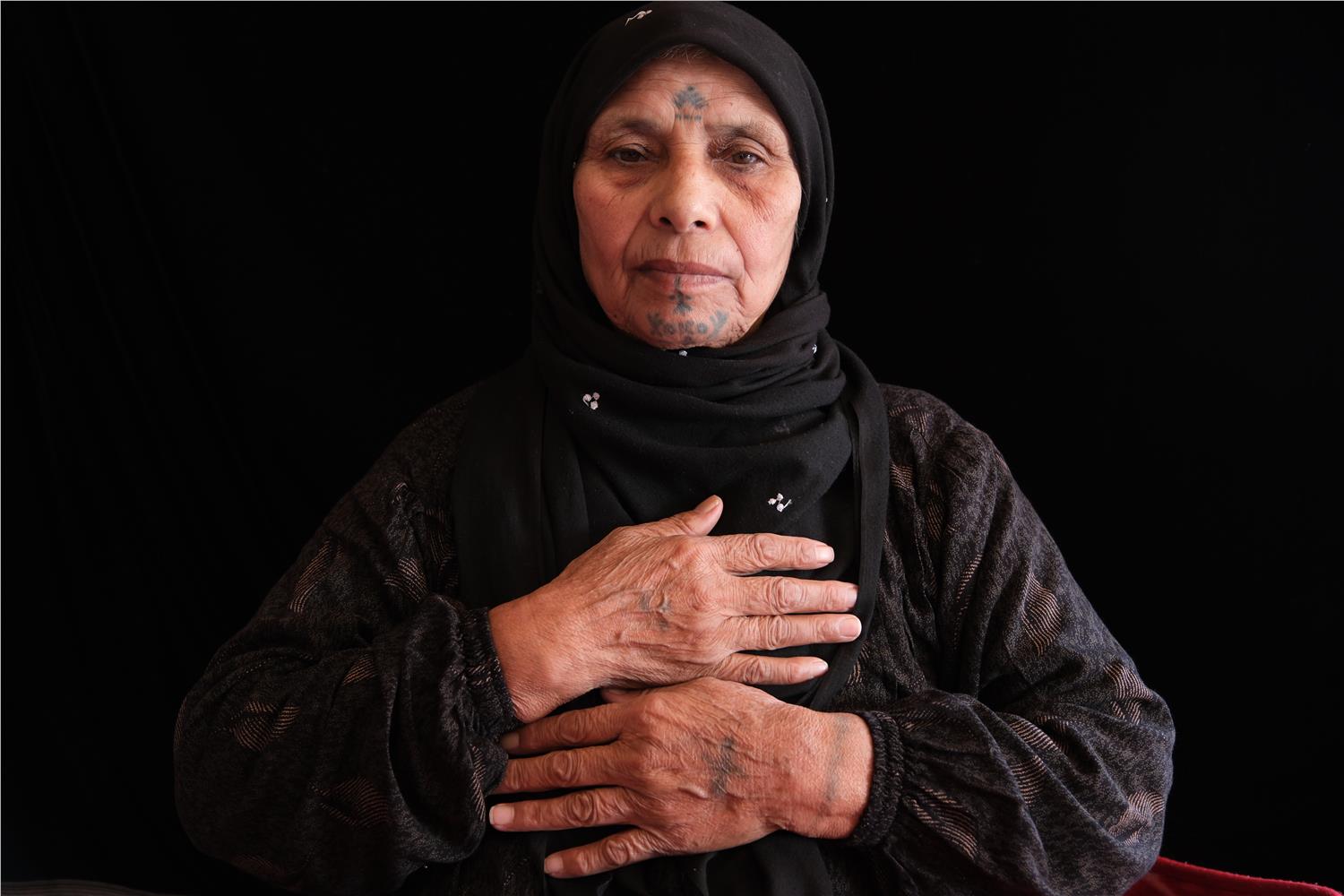
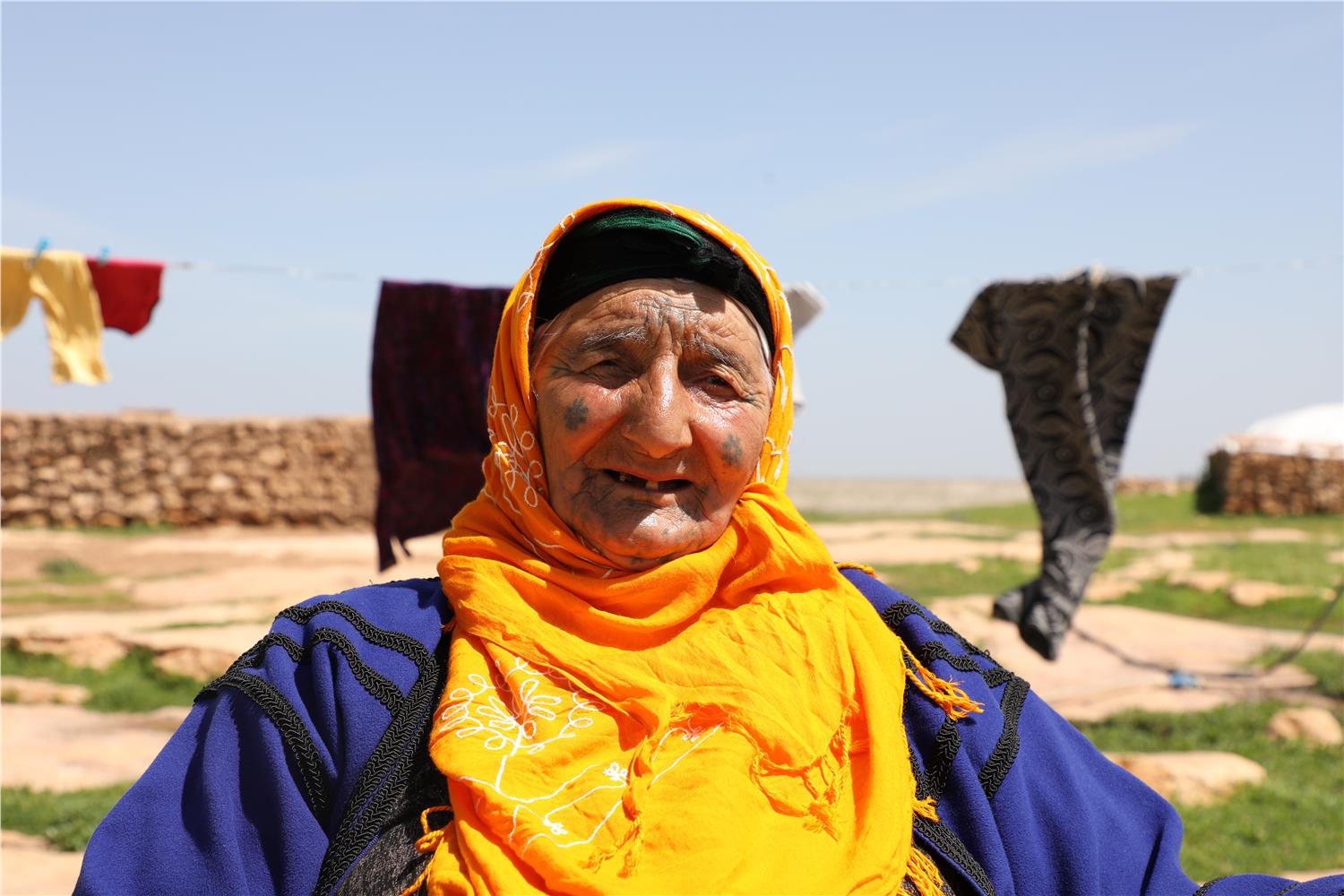
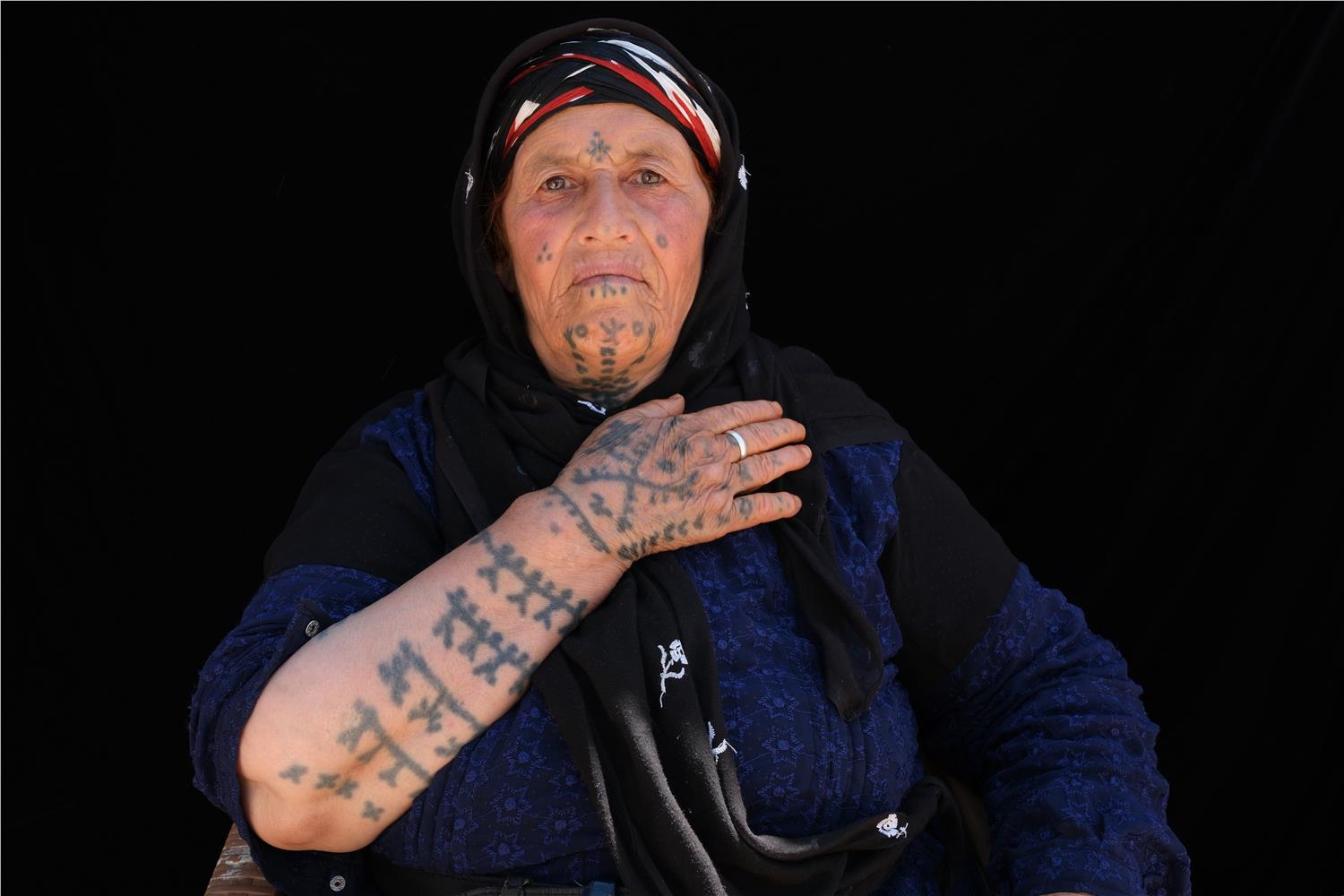
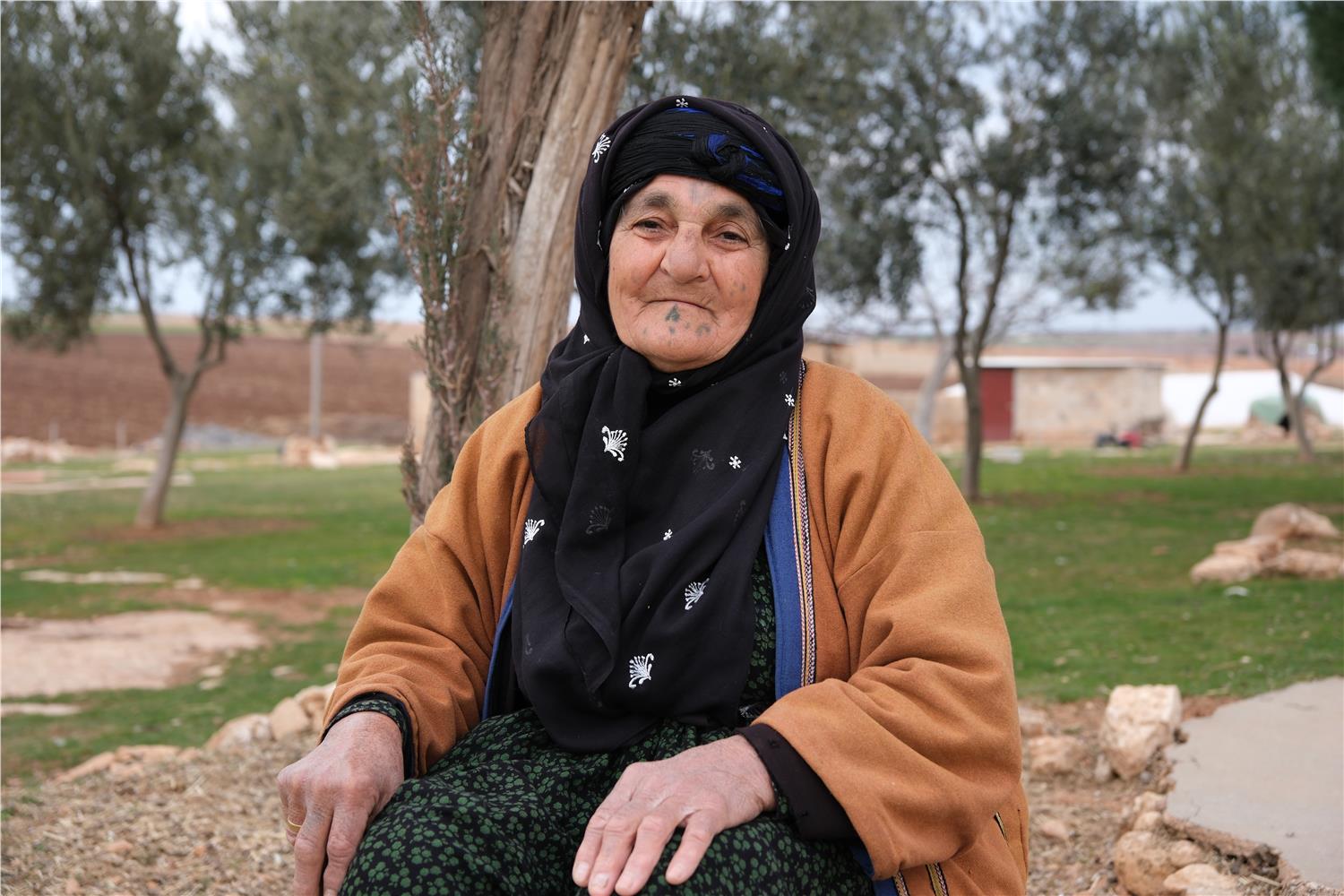
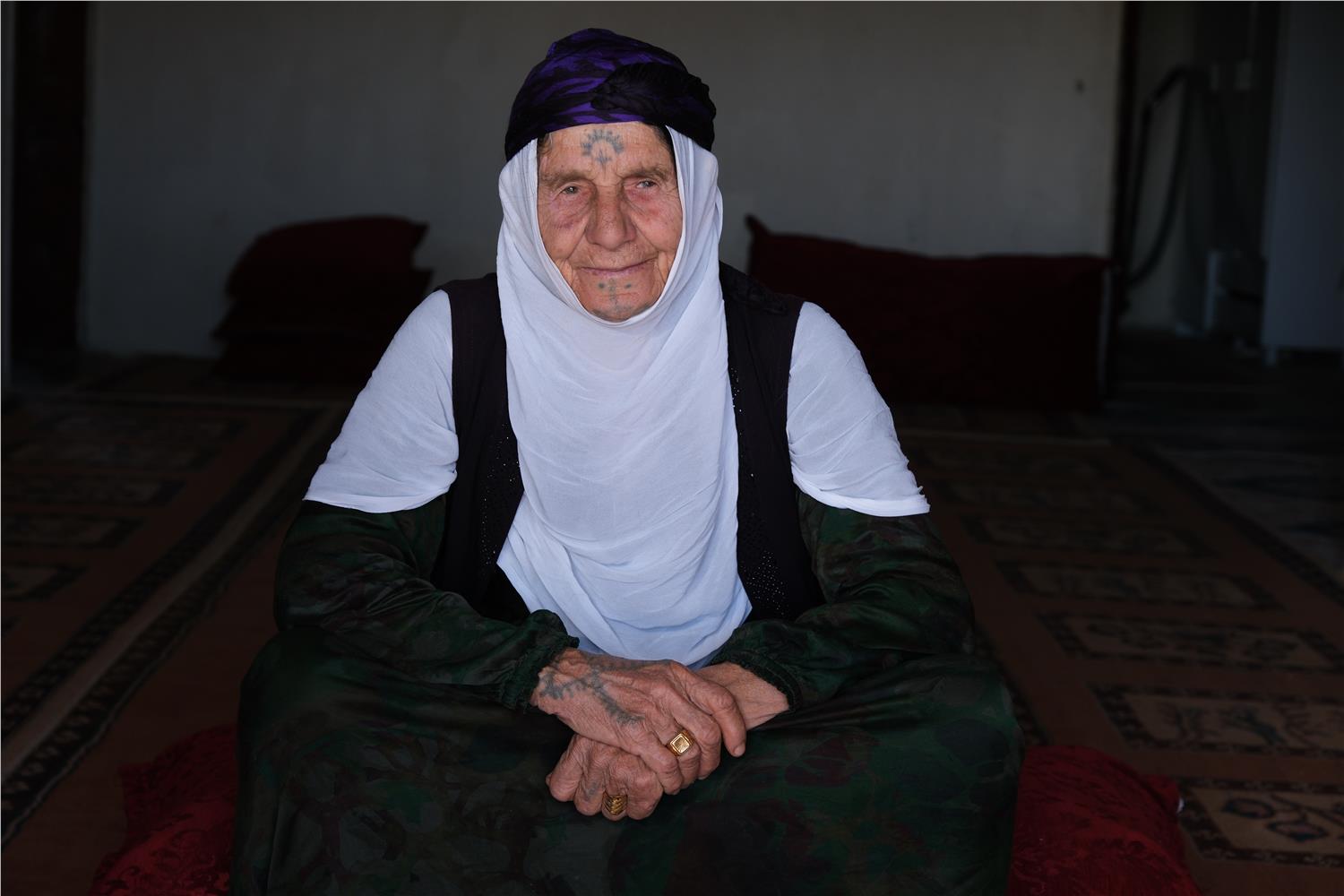
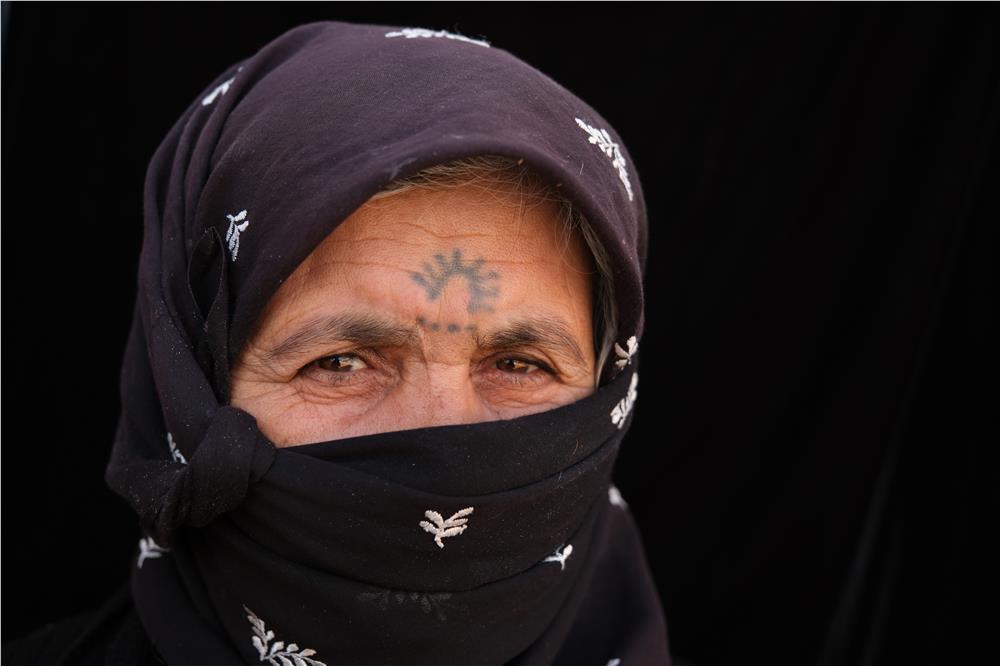
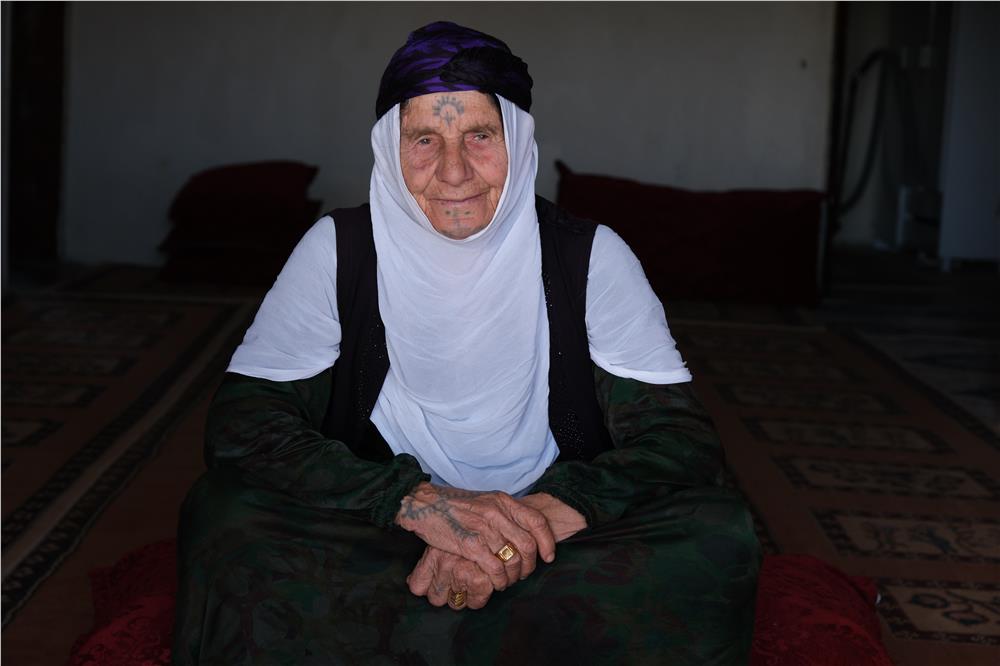
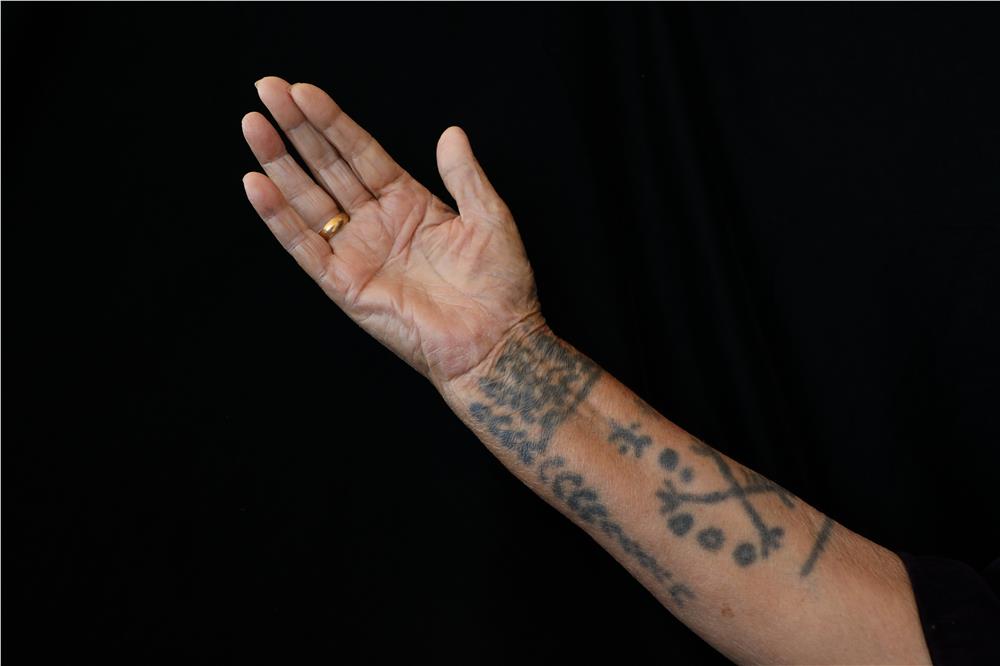
In the villages scattered across Şanlıurfa province, you'll encounter women whose faces, hands, and arms bear intricate patterns—dots arranged in triangles, solar symbols on foreheads, combs etched along wrists. To understand deq is to glimpse an entirely different relationship between body, identity, and belonging.
These tattoos were never casual adornments. They were applied using metal needles bundled together, tapped rhythmically into the skin with a mixture so specific it sounds like alchemy: milk from mothers who had borne daughters (believed to carry healing properties and create brighter, greenish hues), egg yolk, animal bile, and soot from black cumin or resin. The choice of a daughter-nursing mother's milk wasn't arbitrary—local belief held that the proteins aided healing and gave the designs their distinctive luminous quality.
Each mark carries intention. The şahmeran (the mythical serpent queen), scorpions, and snake combs were believed to bring healing to the body. Three dots on the palm meant food prepared by those hands would be delicious; the same marks on the ankle served as protection against becoming a second wife. The vesm el begara—dots on the nose tip, cheekbones, and chin—identified members of the Begara tribe, worn by both men and women as badges of belonging.
A comb design on the wrist symbolized beauty. Celestial symbols—sun, star, and crescent—appeared most frequently, usually on the forehead but also on hands, arms, neck, and chin, each person investing these universal symbols with deeply personal meaning.
What the Camera Sees, What the Heart Understands
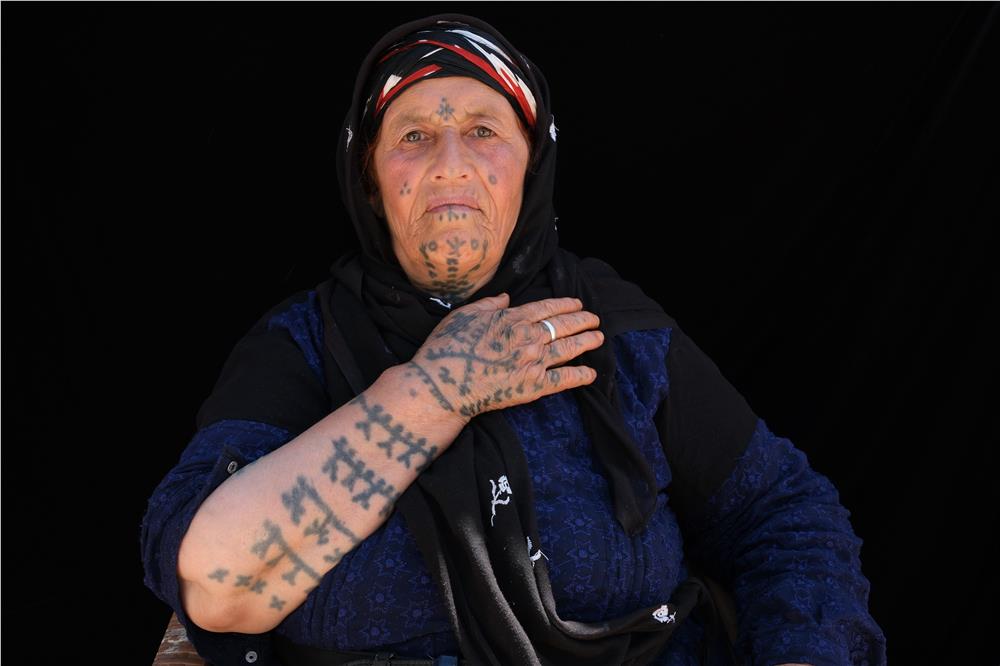
For photographers, these tattooed elders present a profound challenge and opportunity. How do you capture not just a face, but a fading cosmology? How do you photograph belief made visible?
The technical opportunities are remarkable. The weathered skin creates texture that responds beautifully to natural light—the soft glow of morning sun illuminating those green-tinged marks, or the golden hour casting shadows that make each motif stand out in relief. The wrinkled topography of aged hands transforms simple geometric patterns into landscapes of experience.
But the greater gift is the exchange itself. These women are not models; they're keepers of knowledge. When you ask permission to photograph their deq, you're often invited into conversation, offered tea, drawn into stories. You learn that the practice, though diminishing, hasn't entirely disappeared—some women in the region continue to receive these marks, keeping alive a chain that extends back through countless generations.
The photographs you'll take here aren't extracted—they're shared. There's dignity in that difference.
Standing Where Time Collapses
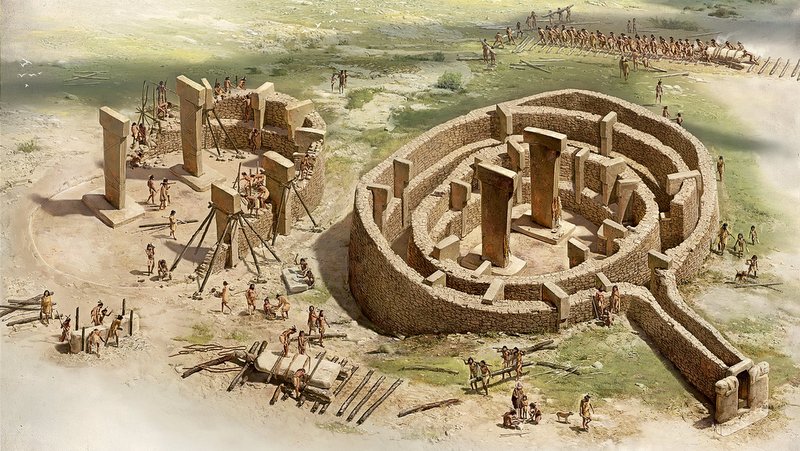
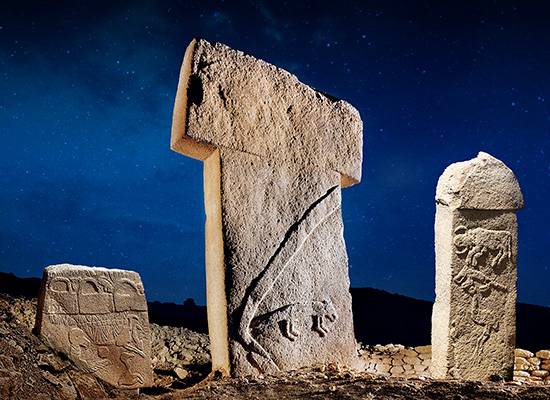
Just forty minutes from these villages lies Göbekli Tepe, the archaeological site that rewrote human history. Here, 11,500 years ago—before agriculture, before written language, before the wheel—people carved massive stone pillars decorated with animals, symbols, and abstract patterns, then buried them in a ritual we still don't fully understand.
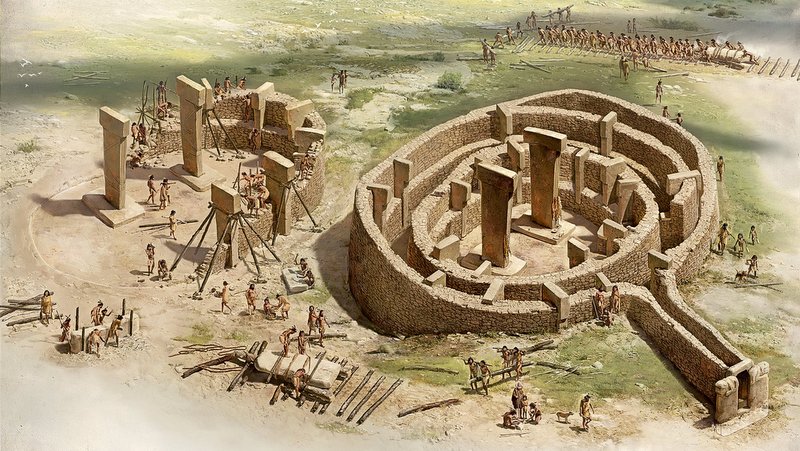
Walk among those ancient T-shaped megaliths at sunrise, and you'll feel the uncanny resonance. Those Neolithic carvers were also marking meaning onto surfaces, creating symbols to communicate across time. The impulse that led them to chisel scorpions and serpents into limestone is perhaps not so different from the impulse that led Ayşe's grandmother to tap similar symbols into her granddaughter's skin.
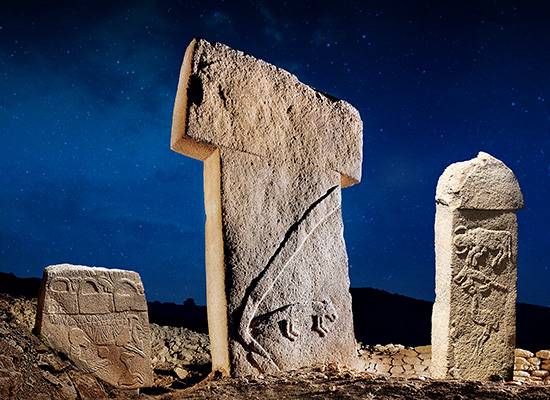
This region—ancient Mesopotamia, the Fertile Crescent—has always been a place where humans inscribed their understanding of the cosmos onto whatever canvas they could find. Stone. Clay. Skin. The medium changes, but the need to make marks, to create meaning, to say "I was here, this mattered" remains constant.
For the photographer, this context transforms everything. You're not simply documenting folk customs in a remote province. You're witnessing one of humanity's oldest continuous traditions of symbolic body modification, practiced in the very landscape where civilization itself took root.
The Vanishing and the Permanent
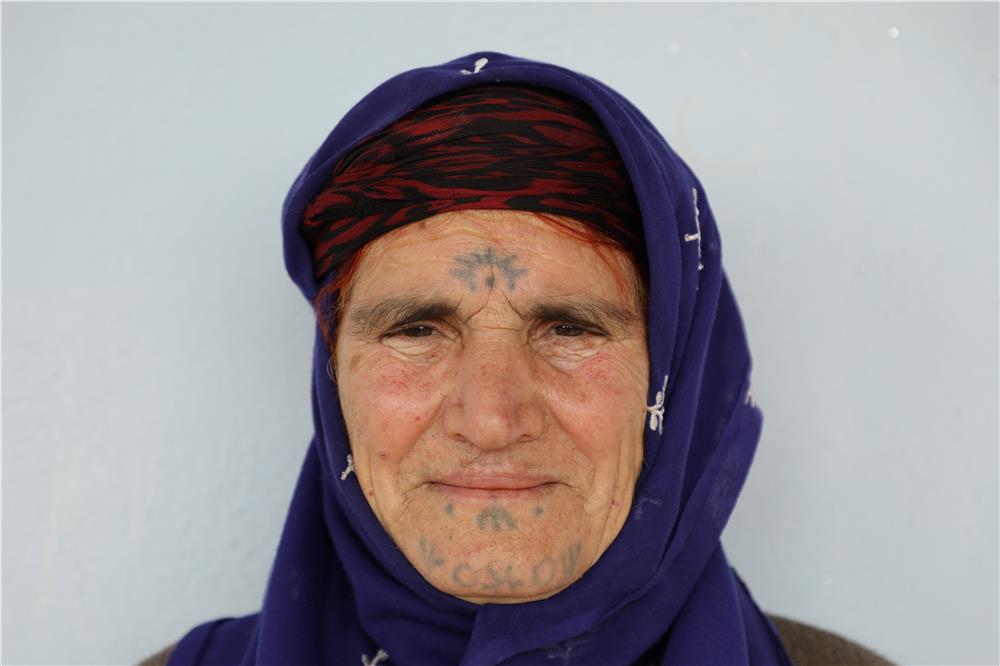
There's a bittersweet awareness that comes with photographing deq. The women who bear these traditional tattoos are elders now. Younger generations have largely abandoned the practice, choosing different ways to mark identity in a modernizing world. What you document may be among the last living examples of a tradition thousands of years old.
Yet paradoxically, the tattoos themselves are permanent. Unlike songs that can be forgotten or pottery that can shatter, these marks stay. Even in death, even in burial, the deq remains—archaeologists have found tattooed skin on ancient mummies from Egypt to the Altai Mountains, including figurative designs that prove this practice is truly ancient. The 5,300-year-old iceman Ötzi, found in the Alps, bore carbon-based lines on his joints, likely therapeutic in purpose, demonstrating that tattooing for healing extends deep into prehistory.
Your photographs become part of this preservation. They create a different kind of permanence—not in skin, but in collective memory. Long after these particular women have passed, your images will testify: this existed, this mattered, these people carried their history on their bodies with pride.
Beyond the Frame
Southeastern Turkey offers layers upon layers for the curious photographer. Beyond deq and Göbekli Tepe, there's the daily rhythm of village life—bread baking in outdoor ovens, mulberry harvests, tea served in tulip-shaped glasses while men play backgammon in dusty courtyards. There's Şanlıurfa's ancient bazaar, where coppersmiths hammer their wares in workshops unchanged for centuries. There's Harran, with its distinctive beehive houses, occupied continuously since biblical times.
But it's the encounters with the tattooed women that tend to stay with photographers longest. Perhaps because in that exchange—the request, the permission granted, the sitting, the conversation that unfolds—you're participating in the very tradition you're documenting. You're creating a mark, not on skin but on film or sensor, that will carry forward a story. You become, for a moment, part of the chain.
An Invitation
This isn't a journey for photographers seeking only exotic backdrops or striking faces to add to portfolios. This is for those who understand that the best travel photography emerges from genuine connection, from patience, from respect for the people who allow you into their lives.
The women with deq on their hands and faces don't need us to validate their traditions. Their marks have meaning with or without our cameras. But they're often generous enough to share their stories, to let us witness and document a practice that connects them to ancestors stretching back through the millennia.
In return, we have a responsibility—to photograph with integrity, to tell their stories accurately, to see them not as subjects but as people whose lives have value far beyond their visual appeal. To understand that when Ayşe shows you the three dots on her palm and explains they were meant to make her cooking delicious, she's not offering folklore for tourists. She's sharing genuine belief, a worldview in which body, blessing, and belonging intertwine.
Southeastern Turkey asks something of its photographers: that we see not just with our eyes but with our hearts. That we recognize these tattooed hands reaching toward us are bridges across time, connecting us to the very dawn of human symbolic thought.
The temples of Göbekli Tepe remind us that humans have always needed to make marks, to create meaning, to transform the ordinary into the sacred. The deq on the women's hands remind us that this impulse is still alive, still carried forward in human flesh.
Come with your camera, yes. But come also with openness, with curiosity, with reverence for traditions that have survived longer than empires. The photographs you'll take will be beautiful—the light here is extraordinary, the faces full of character, the cultural details endlessly rich.
But what you'll carry home in your heart—the conversations over tea, the stories told through interpreters, the moment when weathered hands adorned with ancient symbols reach out to touch yours—that will be the real gift of this journey.
That's what we offer: not just access to remarkable subjects, but invitation into a world where every mark tells a story, where the past lives in the present, where your photographs can help preserve something precious and fleeting.
The women of southeastern Turkey have been marking time on their skin for generations. Now it's our turn to mark this moment, to ensure their stories continue, one photograph at a time.
Join us in southeastern Turkey to document these living traditions before they fade. Our tours are designed for photographers who value cultural depth, ethical practice, and meaningful human connection. Limited group sizes ensure intimate access and time to create thoughtful work.
Photos By Ahmet Yavuklu